
Oh, you know that feeling? When the air finally gets crisp, and you just crave something that tastes like the perfect autumn hug? That’s exactly what this recipe is! Forget heavy cream sauces; we’re elevating simple pantry staples into something truly spectacular with almost zero effort. This **Brown Butter Sage Butternut Squash Pasta** is the weeknight hero I rely on every single year when the first squash shows up at the market.
Seriously, the main trick here is getting that butter nutty and fragrant. I’ve made batches of this pasta for cozy dinners and even big holiday setups, and it always gets rave reviews because of that beautiful, rich base. It’s vegetarian, incredibly comforting, and it’s ready before you even know it. If you love simple, flavor-packed food, stick around!
Why You Will Love This Brown Butter Sage Butternut Squash Pasta
Honestly, there are so many reasons this recipe jumps right to the top of my fall rotation. It just hits every note perfectly, and I promise, once you try it, you’ll see why it’s become my go-to autumn meal. It’s truly simple magic!
- It tastes like autumn in a bowl! The combination of roasted sweet squash and nutty brown butter is absolutely divine.
- It’s totally vegetarian, making it a perfect crowd-pleaser whether you’re hosting veggie guests or just keeping things light.
- Minimal dishes to worry about! Since we roast the squash on a sheet pan, cleanup is shockingly easy for such a deeply flavorful dish.
- The brown butter sage sauce comes together faster than boiling the water, making it ideal for a busy weeknight when you want something special.
- That gorgeous sage flavor crisped right in the brown butter simply can’t be beaten—it lifts the whole dish!
It’s the kind of meal that feels fancy but takes almost no real effort. You’re going to want to make this constantly!

Essential Ingredients for Perfect Brown Butter Sage Butternut Squash Pasta
Okay, this is where we build the foundation for that amazing flavor. The ingredient list looks short, right? That’s because we are relying on the quality and the technique here, not stuffing it full of things we don’t need. Trust me on the butter—it makes all the difference.
Here is exactly what you’ll need to grab for this masterpiece. Make sure you check the measurements twice, especially for that butter!
- 1 medium butternut squash, peeled, seeded, and cubed—I try to keep the pieces uniform, maybe about an inch or so, so they roast evenly.
- 2 tablespoons olive oil—Just your standard cooking oil for getting the squash sizzling in the oven.
- 1 pound pasta (such as penne or rigatoni)—I love rigatoni because those ridges grab onto all that delicious brown butter sauce!
- 6 tablespoons unsalted butter—This is the star, remember? Unsalted is crucial because we control the final seasoning. Don’t skimp here; this creates the magic!
- 1/4 cup fresh sage leaves—You absolutely need fresh sage for this. Dried sage just tastes completely different once it hits hot butter, and not in a good way.
- 1/2 cup grated Parmesan cheese, plus more for serving—Freshly grated is always better; it melts way smoother into the sauce than the pre-grated stuff.
- Salt to taste
- Black pepper to taste
That’s it! A few simple things that turn into something totally show-stopping. Make sure that sage is washed and patted super dry before it goes into the butter, otherwise, you’ll get a steam bath instead of crispy leaves!
Expert Tips for Making Brown Butter Sage Butternut Squash Pasta
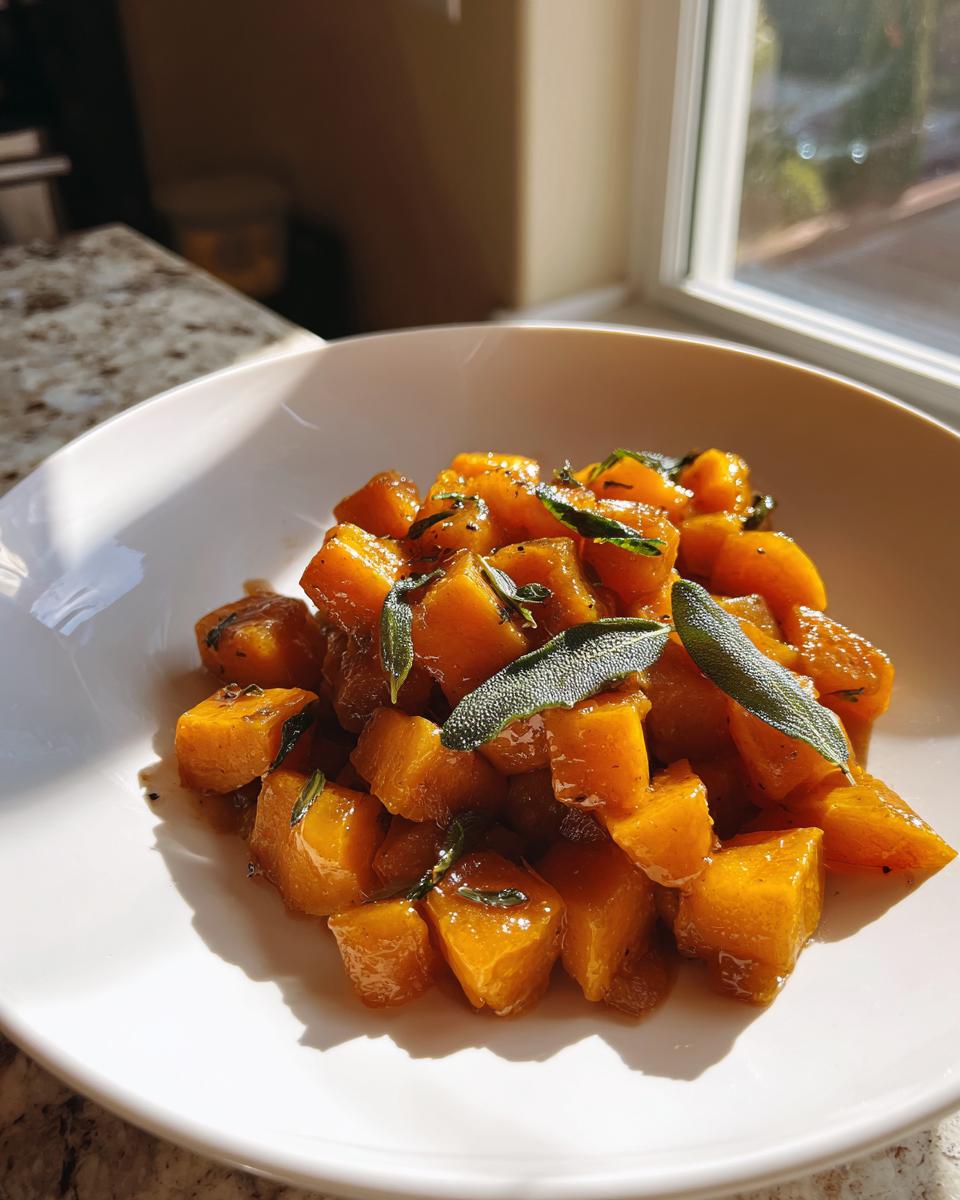
This **Brown Butter Sage Butternut Squash Pasta** is all about technique. You can have the best squash in the world, but if you mess up the butter, well, you’ve lost half the battle! Getting that deep, nutty aroma is non-negotiable for the best flavor possible. I always use a light-colored skillet, like stainless steel, because you need to visually track that color transformation. If you use a dark cast iron, you are basically guessing until it’s too late!
And I learned this the hard way, trust me. The first time I tried this recipe for a fall dinner party, I got distracted talking about the garnish, and suddenly I had black bits instead of beautiful little brown flecks. Oops! When that happens, you have to just scrape out the black bits and start over with fresh butter. It’s just not worth the acrid taste. Now, I set a timer for 4 minutes and stare at that pan like it owes me money until it reaches that perfect nutty smell. You’ll also love how well crisping the maple brown sugar oatmeal bliss pairs if you ever want a sweet treat later in the week!
Achieving the Perfect Brown Butter Sage Butternut Squash Flavor
This is where the sorcery happens. Once the butter foams and the milk solids start turning golden brown at the bottom—that’s your cue to toss in the sage. It only takes about 60 seconds for those beautiful leaves to turn dark green and crisp up. They practically turn into little edible sage chips! Remove the pan from the heat immediately, or the residual heat will keep cooking the brown bits.
My biggest piece of advice? Don’t forget that pasta water! Before you drain the noodles, scoop out at least a cup of that starchy water. That liquid is liquid gold, my friend. When you toss the pasta, squash, and butter mixture together, that starchy water emulsifies the fat, turning a simple puddle of butter into a light, silky sauce that clings perfectly to every piece of pasta. It saves the dish every time if your sauce seems too dry!
Butternut Squash Roasting Secrets
For even roasting, size matters! You want those cubes of butternut squash to be roughly the same size—aim for about 1-inch pieces. If you have vast discrepancies in size, the small pieces will turn to mush while the big ones are still hard in the middle. Nobody wants rock-hard squash.
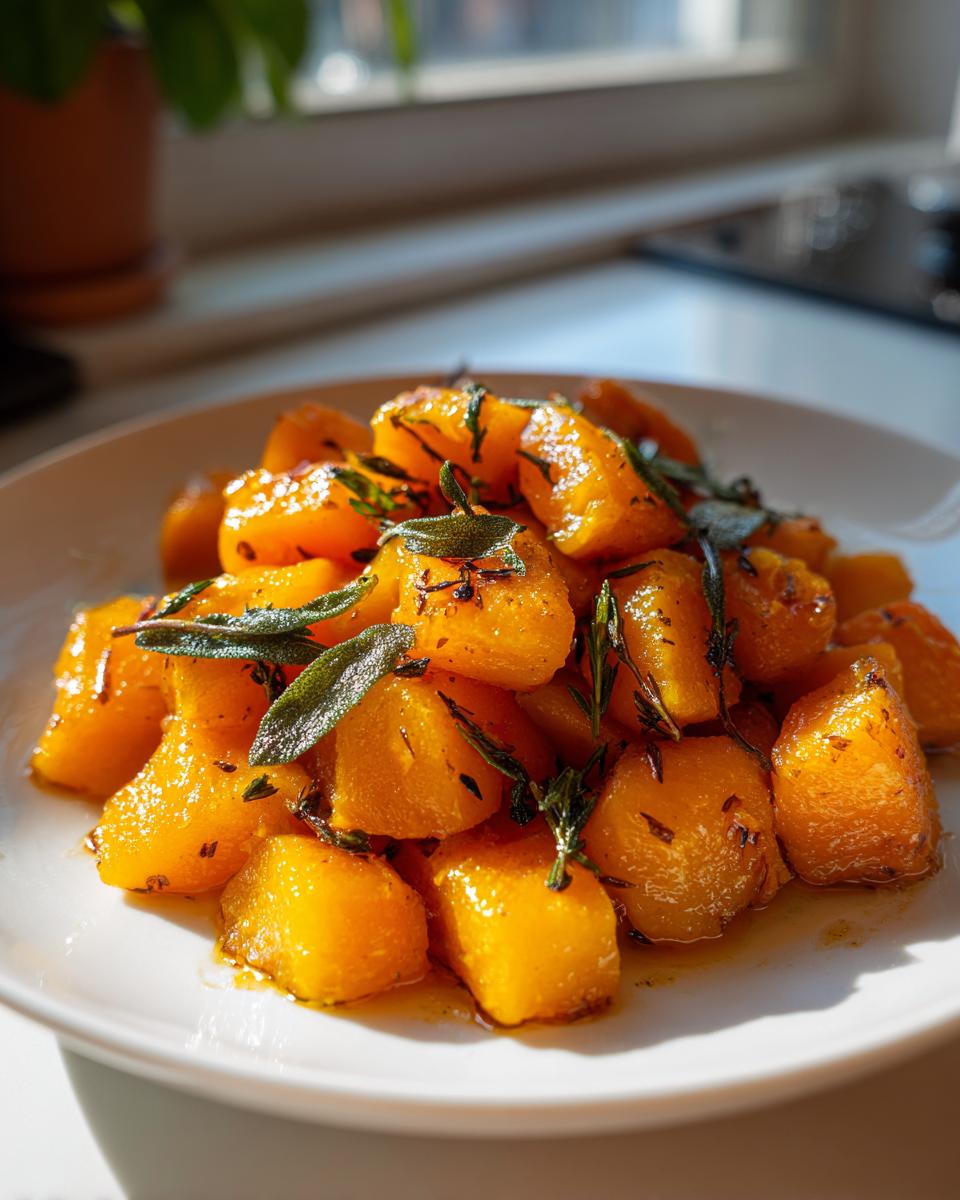
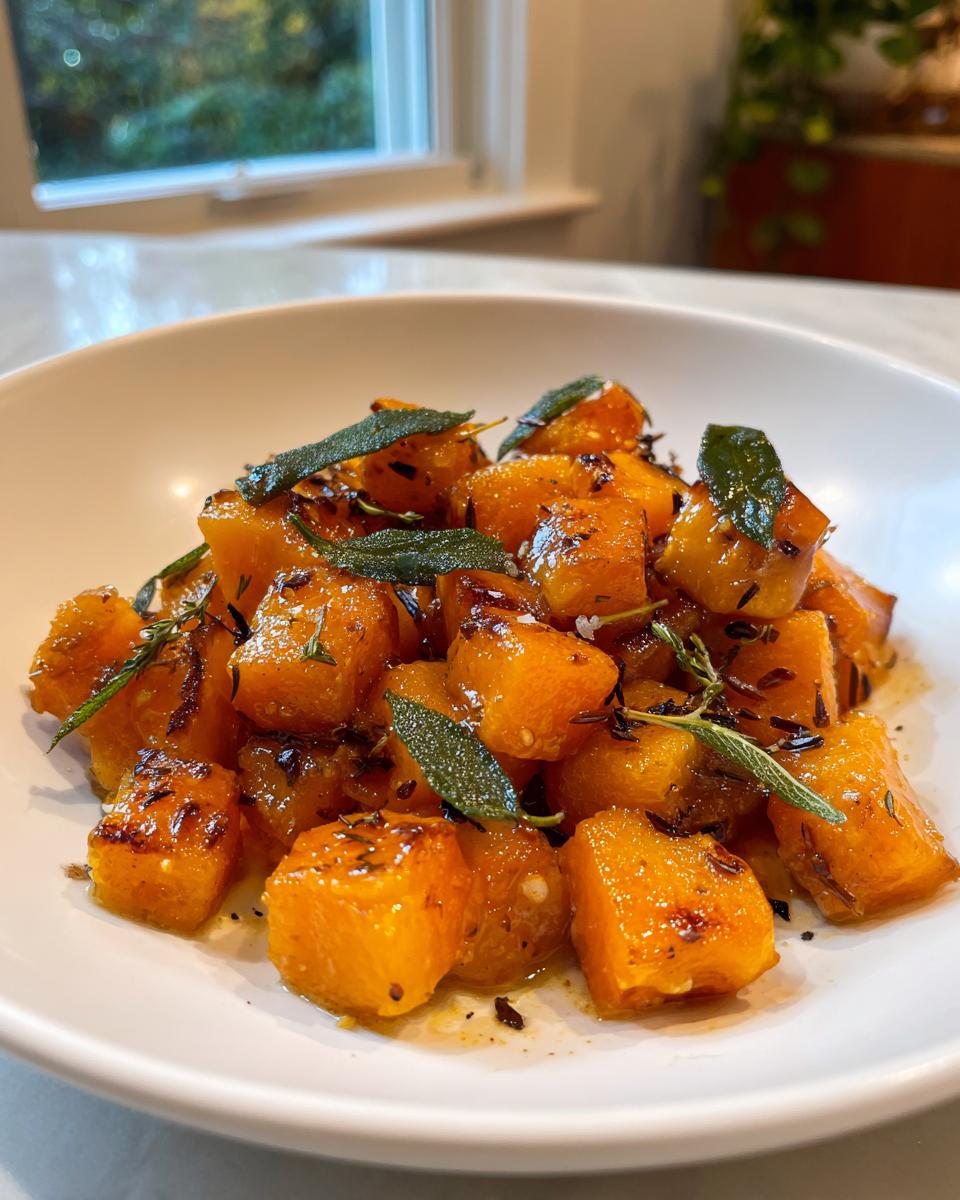
I always roast mine at 400 degrees Fahrenheit. Anything lower and it just steams instead of caramelizing. You’re looking for tender squash that has just started to develop those lovely dark brown, almost caramelized edges. That caramelization is pure sweetness, and it’s what balances the sharp saltiness of the Parmesan and the earthy sage. Pull them out when they start pulling away from the pan slightly—that means they are fully cooked through.
Step-by-Step Instructions for Brown Butter Sage Butternut Squash Pasta
Ready to put it all together? Don’t let the process intimidate you; it flows really smoothly, especially if you multitask a bit while the squash is roasting. Think of it as a little dance between the oven and the stovetop! We’re aiming for that perfect moment where the hot, starchy water meets the nutty brown butter sauce. If you ever need a quick side dish inspiration, check out this creamy garlic alfredo pasta for something different later!
First things first: you absolutely have to get that oven hot. Preheat it to 400 degrees Fahrenheit right away. Then, take your nice, neat cubes of butternut squash, toss them with a bit of olive oil, salt, and pepper—don’t be shy with the seasoning here—and spread them onto a baking sheet. Roast them until they are soft and starting to get those beautiful brown spots, usually about 20 to 25 minutes. That smell alone is worth the wait!
While the squash is getting happy in the oven, get that pound of pasta cooking in heavily salted water. Now, here is the crucial part: before you drain those noodles, scoop out about a cup of that cloudy, starchy cooking water and set it aside. You’ll need that later to build our sauce!
Once the pasta is al dente, drain it. Now, switch your focus to the skillet. Gently melt your 6 tablespoons of butter over medium heat. Watch it like a hawk! Keep swirling until it foams, little brown specks appear, and it smells wonderfully nutty—that usually takes about 5 to 7 minutes. Toss in your fresh sage for just a minute until it’s crisp, then immediately take the skillet off the heat.
Toss the drained pasta and the roasted squash right into that skillet with the brown butter and sage. Add in your grated Parmesan cheese. If it looks a little dry, start splashing in that reserved pasta water, a few tablespoons at a time, tossing constantly. You’ll see it transform into a glossy sauce that coats everything beautifully. Taste it, add more salt or pepper if your heart desires, and serve it up right away with an extra dusting of cheese!
Variations on Brown Butter Sage Butternut Squash Pasta
You know I love sticking to the classics, but part of the fun of cooking is making a recipe truly *yours*, right? This Brown Butter Sage Butternut Squash Pasta is already fantastic, but if you want to switch things up next time you make it, I have a few ideas that I sometimes use when I’m feeling adventurous. These little tweaks really take it in a fun direction without losing that core comforting flavor profile we love so much.
For instance, if you want a little crunch—and who doesn’t love texture?—toss in some toasted walnuts or pecans right at the very end when you add the Parmesan. Toast them lightly in a dry pan until they smell fragrant, then mix them in. They pair beautifully with the sweetness of the squash.
Next up, let’s talk about swaps! If you happen to have some leftover roasted mushrooms—maybe you made a batch of herby ones like the ones you can find recipes for here—toss those in with the squash. Their earthy flavor deepens the savory notes of the brown butter perfectly. If you’re feeling meaty, forget the mushrooms and crisp up some pancetta until crispy; use the rendered fat to start your brown butter process instead of just using butter!
And honestly, pasta shape matters! While I swear by rigatoni, swapping it out for something a little different, like campanelle (those little ruffled cups!) or even thick pappardelle ribbons, changes the whole mouthfeel. The thicker the pasta, the more sauce it seems to carry, which is never a bad thing when dealing with brown butter!
Serving Suggestions for Your Brown Butter Sage Butternut Squash Pasta
This dish, with its rich brown butter and savory sage, doesn’t need much help, but the right accompaniment makes it a complete, gorgeous meal. Because the pasta itself is so satisfying and creamy thanks to that starchy water, I usually keep sides simple—nothing too heavy. We want the pasta to shine, after all!
My top recommendation is always balancing richness with something light and acidic. A simple arugula salad dressed with lemon juice, a tiny bit of olive oil, salt, and pepper works wonders. The peppery bite of the arugula cuts right through the fattiness of the brown butter, making every bite of pasta taste new again. It’s the perfect palate cleanser between big forkfuls.
Now, what about bread? Oh, you know I can’t say no to bread with pasta! If you want something really special—and I mean *really* special—that soaks up every last bit of sauce left in the bowl, you have to try making homemade garlic breadsticks. These easy garlic parmesan breadsticks are sturdy enough to scoop up everything, and the garlic flavor is just the right partner for the sage. You won’t have a single drop of sauce left behind, I promise.
Finally, for garnish beyond more Parmesan, a sprinkle of toasted pine nuts or even some red pepper flakes can be fantastic. The red pepper flakes give you a tiny bit of heat that really activates those flavors in the brown butter. Serve it all up hot, and enjoy the cozy vibes!
Storage and Reheating Instructions for Brown Butter Sage Butternut Squash Pasta
Life happens, and sometimes you just can’t finish this incredible pasta in one sitting (though I certainly try!). The good news is that this Brown Butter Sage Butternut Squash Pasta stores surprisingly well for leftovers, but you have to treat that sauce right when you reheat it. We don’t want dry, sad pasta the next day!
When storing leftovers, make sure they cool down a little bit before you seal them up. Then, tuck them into a really good airtight container. I find that because this recipe uses roasted squash and butter rather than a heavy cream base, it holds up beautifully in the fridge for about three, maybe four days max. Honestly, I think it tastes even better the next day when the squash has had time to fully soak up that nutty sage flavor.
Now, the reheating part is key to keeping that beautiful texture we worked so hard to achieve. If you try to zap this in the microwave plain, the butter solids can separate, leaving you with greasy spots. So, here’s my must-do trick:
When you transfer the pasta and squash mixture into a microwave-safe bowl, you need to add a little moisture back into the system. I keep a little jar of water or leftover chicken/vegetable broth near my stove just for this purpose. Add about a tablespoon or two of water or broth right over the pasta before microwaving. It helps create steam and loosens up that butter sauce as it heats.
Heat it in short bursts—maybe 45 seconds at a time—stirring well between each burst. This allows the moisture to integrate evenly. If you’re reheating a large portion on the stovetop, use a wide skillet over medium-low heat, add your splash of liquid, and toss gently until warmed through. It will come back to life looking almost as good as the first time you made it!
Frequently Asked Questions About Brown Butter Sage Butternut Squash Pasta
Whenever I share this recipe, people always have great questions about how to customize it for their pantry or dietary needs. I totally get it—we all have different ingredients on hand! Here are some of the things folks ask me most often about perfecting their **Brown Butter Sage Butternut Squash Pasta**.
Can I use dried sage instead of fresh sage in this Brown Butter Sage Butternut Squash Pasta?
Oh, that’s a tough one, but I have to be honest: fresh sage is really, really best here. When you crisp dried sage in brown butter, it tends to burn super fast and can taste dusty or even bitter. Fresh sage leaves turn into these delicate, crispy little flavor bombs that are truly essential to the sauce.
However, if you are truly in a pinch, you can substitute. The rule of thumb is that dried herbs are usually two to three times stronger than fresh. So, if the recipe calls for 1/4 cup of fresh sage leaves, you’d start with just one scant teaspoon of dried rubbed sage. You should add the dried sage *after* the butter has browned but *before* you take the pan off the heat, stirring quickly for just about 15 seconds. Keep your eyes peeled, because dried sage burns in a blink!
How do I make this Brown Butter Sage Butternut Squash Pasta vegan?
That’s a great question! Since this dish relies so heavily on butter, we need a good swap for that nutty richness. Instead of unsalted butter, just use a good quality vegan butter substitute. Look for one that has a higher fat content, as that will help you achieve those nice brown bits at the bottom of the pan.
For the Parmesan cheese, you have a couple of options. My go-to is nutritional yeast—it usually takes about 1/4 cup to 1/3 cup mixed into your starchy pasta water at the end to give it that savory, cheesy depth. If you want a store-bought vegan Parmesan, that works too, just taste as you go! If you’re interested in other fantastic vegan fall recipes, I’ve got a great one for maple chai frosting vegan bread that might be right up your alley.
My sauce looks greasy, not glossy. What went wrong?
If your sauce looks oily or separated, it means the fat (your brown butter) and your liquid (the pasta water) didn’t combine properly—they didn’t emulsify. This almost always happens because you either didn’t use enough hot, starchy pasta water, or you didn’t toss everything vigorously enough!
Don’t panic! Take the skillet off the heat, add another splash—maybe a tablespoon—of that hot reserved pasta water, and start tossing the pasta and squash with more energy than you thought necessary. You need to shake and stir to force that starchy gelatin into the fat. Keep adding tiny splashes of water until you see that glossy, creamy coating forming instead of just wet noodles swimming in oil. The starch is your binder, so don’t be afraid to use it!
Estimated Nutritional Information for Brown Butter Sage Butternut Squash Pasta
Now, I’m no registered dietitian, so take this section with a grain of salt—and maybe a dash more Parmesan! This nutritional breakdown is just an estimate based on the standard amount of ingredients listed for four servings. Since cooking methods can change nutrient profiles slightly, consider this a good guideline, not a strict lab result, especially since we are dealing with delicious, real food ingredients!
This rich **Brown Butter Sage Butternut Squash Pasta** packs a punch of energy perfect for a cozy fall evening. Here’s what you can generally expect per serving based on the recipe yield of four:
- Serving Size: 1 serving
- Calories: 650
- Fat: 30g (It’s the brown butter doing its work!)
- Saturated Fat: 18g
- Unsaturated Fat: 12g
- Trans Fat: 0g
- Carbohydrates: 80g
- Fiber: 9g (Thanks to that wonderful squash!)
- Protein: 25g
- Cholesterol: 60mg
- Sodium: 350mg
- Sugar: 10g (Mostly natural sugars from the squash!)
See? Plenty of fiber and protein to keep you feeling full and satisfied long after you’ve cleaned your bowl. It’s a perfectly balanced, albeit rich, vegetarian meal for a chilly evening!
Print
Brown Butter Sage Butternut Squash Pasta
- Total Time: 55 min
- Yield: 4 servings 1x
- Diet: Vegetarian
Description
A simple pasta dish featuring roasted butternut squash tossed in a rich brown butter and sage sauce.
Ingredients
- 1 medium butternut squash, peeled, seeded, and cubed
- 2 tablespoons olive oil
- 1 pound pasta (such as penne or rigatoni)
- 6 tablespoons unsalted butter
- 1/4 cup fresh sage leaves
- 1/2 cup grated Parmesan cheese, plus more for serving
- Salt to taste
- Black pepper to taste
Instructions
- Preheat your oven to 400 degrees Fahrenheit (200 degrees Celsius).
- Toss the cubed butternut squash with olive oil, salt, and pepper on a baking sheet.
- Roast for 20 to 25 minutes, or until tender and lightly browned.
- Cook the pasta according to package directions until al dente. Reserve about 1 cup of the pasta cooking water before draining.
- While the pasta cooks, melt the butter in a large skillet over medium heat.
- Continue cooking the butter, swirling occasionally, until it foams and brown bits form at the bottom, and it smells nutty (about 5 to 7 minutes). Watch closely to prevent burning.
- Add the fresh sage leaves to the brown butter. Cook until the sage is crisp (about 1 minute). Remove the skillet from the heat.
- Add the drained pasta and the roasted butternut squash to the skillet with the brown butter and sage.
- Toss to coat. Add the grated Parmesan cheese and a few tablespoons of the reserved pasta water to create a light sauce. Add more water as needed for desired consistency.
- Season with additional salt and pepper if necessary. Serve immediately with extra Parmesan cheese.
Notes
- You can roast the squash ahead of time to speed up dinner preparation.
- Use a light-colored pan when browning butter so you can easily see the color change.
- Prep Time: 20 min
- Cook Time: 35 min
- Category: Dinner
- Method: Roasting and Sautéing
- Cuisine: Italian-American
Nutrition
- Serving Size: 1 serving
- Calories: 650
- Sugar: 10
- Sodium: 350
- Fat: 30
- Saturated Fat: 18
- Unsaturated Fat: 12
- Trans Fat: 0
- Carbohydrates: 80
- Fiber: 9
- Protein: 25
- Cholesterol: 60
Keywords: butternut squash, brown butter, sage, pasta, vegetarian, autumn recipe