
Oh my gosh, you have to try this recipe for Korean Rice Balls, or Jumeokbap, as they call them. Korean food just hits differently when you need something comforting, right? It’s savory, it’s deeply satisfying, and honestly, it requires almost zero cooking time, which is my favorite kind of magic. I usually keep the main ingredients stocked because, trust me, there are weeknights where you realize it’s 7 PM, you haven’t made dinner, and suddenly you need something fantastic fast.
These seasoned rice balls are the ultimate quick side dish or snack. Seriously, they come together in less time than it takes to decide what streaming show to watch next. I perfected my technique making lunch boxes for my kids—they devour these! They look impressive enough for company, but they are authentically simple. You’ll see exactly why this recipe has become my go-to when I need maximum flavor with minimal fuss.
Why You Will Love Making Korean Rice Balls
I’m just going to lay it out for you—this recipe is fantastic, and here are the top reasons why I always keep coming back to it:
- They’re Lightning Fast: Seriously, if your rice is already cooked, you’re looking at maybe ten minutes total time. No oven, no complicated stirring, just mixing and rolling. Perfect for when the dinner bell rings unexpectedly!
- Minimalist Ingredients, Maximum Flavor: We’re only using pantry staples like sesame oil and soy sauce, but when you mix them with perfectly sticky rice and gim? Wow. It tastes like you spent hours seasoning something complex.
- The Ultimate Versatility: Eat them warm as a side dish with whatever you’re having for dinner. Pack them cold for a lunchbox snack that doesn’t get sad and mushy by noon. They’re perfect hot or room temperature.
- No Cooking Required (The Best Part!): Once the rice is done—and you can absolutely use leftover rice, don’t sweat it!—it’s all assembly. This means less time standing over a hot stove when the weather is already warm.
Essential Ingredients for Perfect Korean Rice Balls
The beauty of Jumeokbap is how few things you need, but you absolutely must use the right ones! Don’t try to substitute the rice type—we need that sticky short-grain rice, already cooked, of course. If you’re in a rush, you can certainly use leftover rice, just make sure it isn’t too dry; if it is, we’ll fix it in the next step!
Here is what you need to round up before you start mixing. Grab these items now so you can roll in just a few minutes:
- Three cups of cooked short-grain white rice (that nice sticky stuff!)
- Two big tablespoons of beautifully toasted sesame oil—don’t skimp here!
- One tablespoon of good quality soy sauce
- One teaspoon of toasted sesame seeds
- Half a teaspoon of simple salt, just enough to wake up the flavors
- About a quarter cup of dried seaweed, or *gim*, shredded really finely—this is crucial for the coating!
- Optional add-ins: maybe two tablespoons of finely chopped kimchi if you like a little kick, or some steamed veggies if you’re adding them in.
Step-by-Step Guide to Making Flavorful Korean Rice Balls
Okay, this is the fun part where everything comes together! I promise, the technique is super straightforward, but we have to be gentle. I learned the hard way that you cannot just toss everything in and start smashing it around; that results in sad, gummy rice. We want fluffy little spheres!
If you happen to be starting with rice that isn’t ideal, like maybe some fluffy basmati instead of the sticky short-grain variety—though I highly suggest you check out how to cook the right kind of rice for this, like checking this guide on cooking rice just so you know the difference—just know that using slightly damp rice works best for shaping. If your rice feels stiff, you can always gently steam it for just five minutes to revive it before mixing.
Mixing the Seasoning Base for Korean Rice Balls
First things first, get that cooked rice into a big, wide bowl. That gives you room to work without everything flying out when you mix! Now, drizzle in the sesame oil, the soy sauce, sprinkle in the sesame seeds and salt. Now, here’s where you need to use a firm, but patient hand. You’re folding everything together gently, using a scooping motion, until every single grain looks coated in that lovely brown seasoning.
Expert Tip: Stop mixing when you still see a few little dry spots; overmixing is aggressive! Taste a little pinch. Does it need a tiny whisper more salt? Now’s the time to add it before you fold in any of those optional kimchi bits you might have chopped up.

Shaping and Coating Your Korean Rice Balls
This next part is messy, but crucial! Take a little bowl of water nearby—don’t use oil, water works best—and lightly wet your hands. This is the secret handshake to prevent the rice from sticking to you like glue. Scoop up about a quarter cup of the seasoned rice mixture; that’s a good, solid mouthful size for a satisfying ball. Gently work it between your palms until it’s compact and holds its shape nicely.
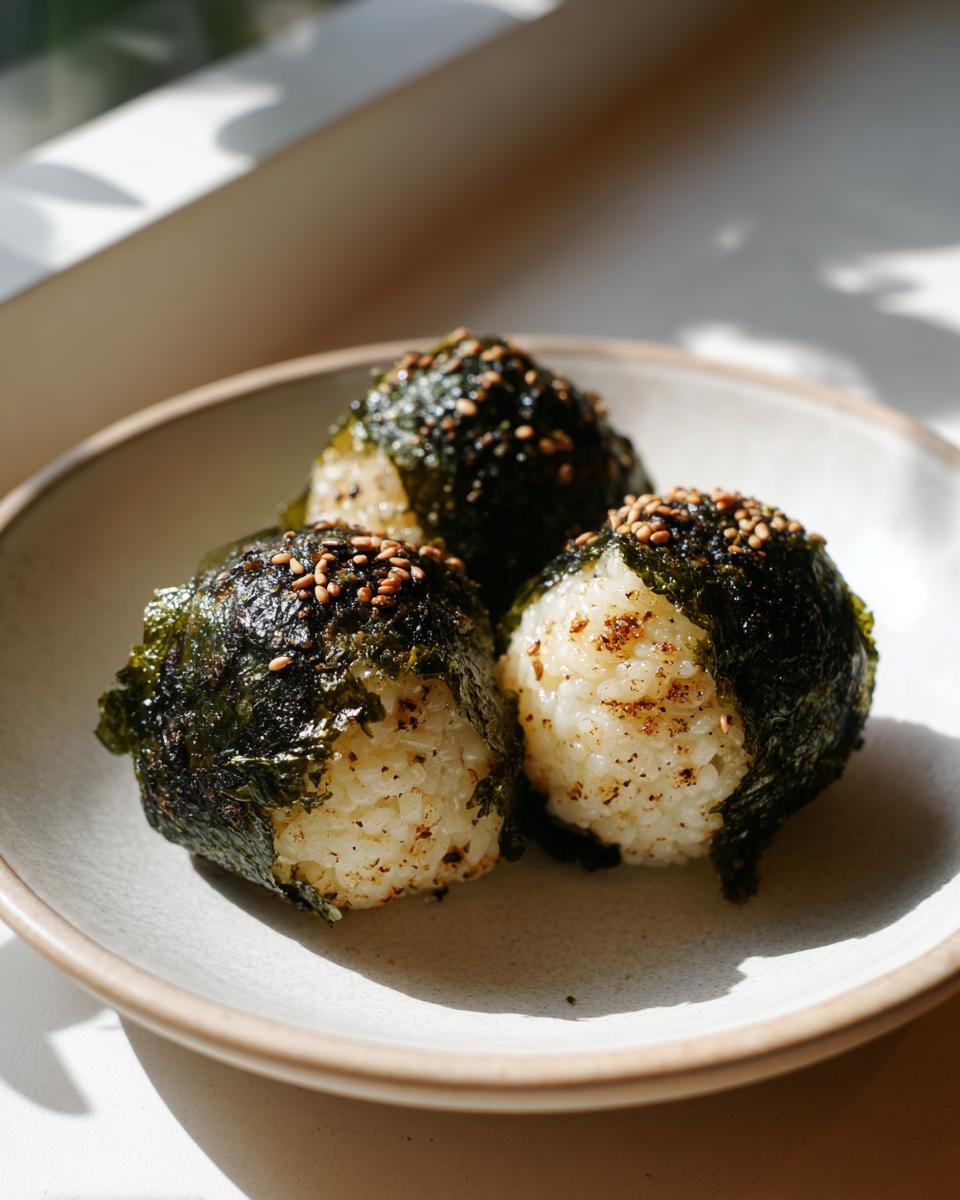
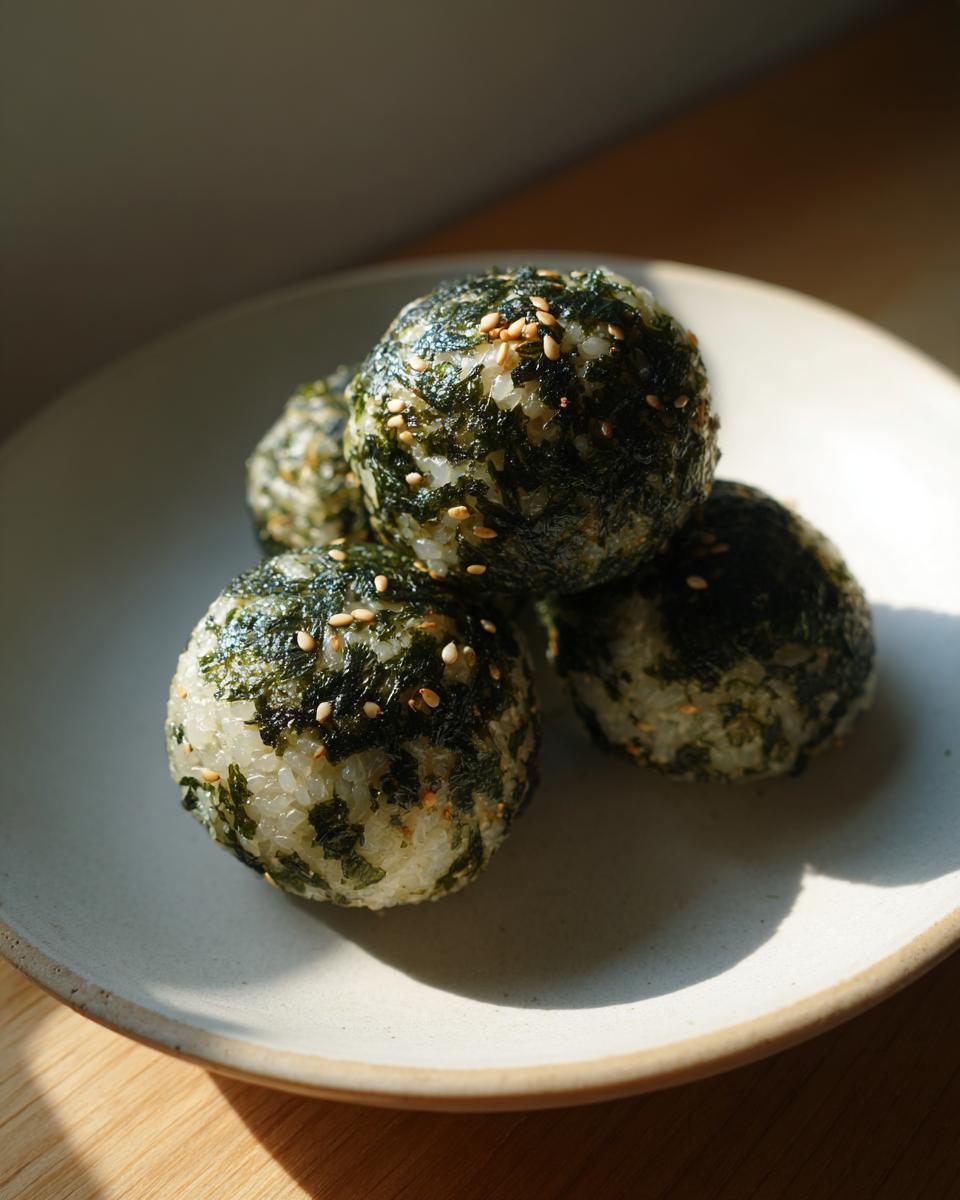
Have your finely chopped seaweed ready on a plate. Roll that perfect, tightly-packed rice ball right into the seaweed until it’s completely coated on all sides. That layer of *gim* adds the perfect salty crunch! Repeat that process until all your rice is used up. Serve them right away if you can, or pack them up; they are just so good!
Tips for Success When Preparing Korean Rice Balls
After making this recipe hundreds of times—seriously, I have a family counting tally somewhere—I’ve learned a few things that turn a *good* batch of rice balls into an absolute home run. It all comes down to the foundation: the rice itself!
First, let’s talk temperature. You absolutely need rice that is warm or room temperature—never piping hot straight from the cooker. If the rice is too hot, the sesame oil just evaporates immediately, and you lose that deep, nutty aroma we are trying to seal in. Plus, hot rice will steam your hands and make shaping impossible.
Perfecting the Rice: Sticky is Your Best Friend
I know some people love fluffy rice for stir-fries, but for Jumeokbap, you need that sticky, short-grain Korean or Japanese rice. Why? Because that starch content is the natural glue that holds the ball together when you squeeze it. If you use a long-grain rice that tends to separate (like Basmati, though I’m sure that’s lovely for other things!), you’ll end up crumbling every time you try to shape it.
If you happen to be using leftover rice that has been sleeping in the fridge, it will likely be stiff. Don’t just throw the seasoning on! You need to add just a tiny splash—maybe a teaspoon at a time—of warm water directly to the cold rice and microwave it for 30 seconds or steam it gently until it’s pliable again. This rehydrates those grains without wetting your hands too much later on.
Troubleshooting Your Mix Consistency
When you’re combining the rice with the seasonings, you might hit a snag. If your mixture feels really dry and crumbly, don’t panic! It’s almost always because the rice was dry to begin with. Just drizzle in another half teaspoon of toasted sesame oil, or even just a tiny splash of plain water while mixing, one drop at a time. You only need enough moisture for the rice grains to cling together when slightly compressed.
On the flip side, if your mix is getting mushy or overly sticky—which means you added too much soy sauce or liquid—you need to introduce some dry texture back in. For this, I keep a little secret weapon handy: a spoonful of plain, untoasted rice flour or even just a little powder from an old bag of *gim* (if you have any extra unseasoned flakes). Mix that in gently; it absorbs excess moisture without adding heavy flavor, saving your snack!
Ingredient Notes and Substitutions for Korean Rice Balls
I know that sometimes we don’t all have the exact ingredients sitting around, and that’s totally fine! Cooking should fit your life, not the other way around. My absolute favorite thing about these Korean Rice Balls is how resilient they are to tweaks and substitutions, as long as you respect the main players: the rice and the sesame oil. You can definitely get creative if you want to experiment, or if you’re missing something for your next batch.
For instance, if you’re trying to make these healthier or just used up your last bag of white rice, swap it out! Brown rice works beautifully, though you might notice it’s a bit chewier and nuttier in flavor—which I personally love sometimes for an afternoon snack. If you’re using mixed grain rice, just be gentle when mixing, as those grains can sometimes be more fragile.
Adding Optional Flavor Boosts
While the classic mix of soy sauce, salt, and sesame oil is the authentic base, if you’re feeling like jazzing things up, I have a killer suggestion. Gochugaru! That’s Korean chili flake, and it gives you a wonderful, warming heat without adding a ton of moisture, which is a balance you have to guard carefully in rice balls. Just a small pinch—maybe half a teaspoon—folded in with the seasonings gives the rice a gorgeous subtle color and a nice little kick on the finish.
If you don’t have gochugaru, garlic powder is another simple pantry swap that brings a lot of savory depth. I used to add a dash when I was making these for my husband’s lunch, hoping to sneak in some extra punchy flavor! You might even see some recipes use a touch of dried shredded squid, something you might stumble upon if you’re looking down the international aisle—it adds incredible umami, but if you see that Kikori Rice Whiskey on the shelf, maybe save that for a different night!
Handling the Seaweed Coating (Gim)
The seaweed, or *gim*, is what makes the coating—it seals in the flavor and gives you that wonderful textural contrast. If you only have the big sheets of *nori* used for sushi that haven’t been seasoned yet, you can still use them! You’ll just need to toast them lightly over an open gas flame for just a few seconds until they turn brittle, then crumble them up very small. Be careful because they burn fast!
If you don’t have any seaweed at all, what’s the backup plan? It’s rare, but it happens! You can skip the coating entirely and just add a little extra toasted sesame seed mix into the rice itself for texture. Alternatively, if you have some toasted crushed peanuts or even finely minced dried parsley, you can roll the balls in those instead for a different, but still tasty, exterior crunch.
Serving Suggestions for Your Korean Rice Balls
So you’ve made these gorgeous, savory little flavor bombs! Now, how do you serve them? That’s the easy part because Korean rice balls are just so flexible. They honestly shine whether they are the star of the show or playing a supporting role next to a much bigger meal. My family tends to make an enormous batch when we’re having Korean BBQ, and these get eaten faster than the meat!
When we grill beef or pork at home—you know, all those delicious marinated cuts—these rice balls are the perfect scoop substitute for plain white rice. They offer all the seasoning right there in your hand. I just scoop one up between bites of meat, and it’s perfect. My husband thinks they cut through the richness of the BBQ just right.
Incorporating Jumeokbap into Packed Lunches
If you are packing a lunch for work or school, these are an absolute game-changer over plain sandwiches. They pack beautifully and don’t usually get soggy by lunchtime, especially if you don’t use very wet mix-ins like extra kimchi. I usually pack three or four per container. They look so cheerful sitting next to a little piece of grilled chicken or some seasoned zucchini.
For a very easy lunch, I often pair them with some fresh slices of cucumber and a little dipping sauce on the side—maybe just a small drizzle of extra soy sauce thinned with a little rice vinegar. It makes for a balanced, satisfying meal that doesn’t require reheating at all. It’s such a good idea for quick desk lunches!
Pairing Korean Rice Balls with Soup or Stew
While traditionally people might eat soup alongside rice separately, an occasional bowl of simple, clear broth alongside these seasoned balls is fantastic. Think about a light, comforting soup. Sometimes I’ll just heat up some dashi stock, add a tiny bit of shredded carrot, and serve that alongside for a warm, easy dinner. It’s light enough that it doesn’t overpower the savory flavor of the rice balls.
If you’re making something heartier, like a spicy tofu stew (sundubu jjigae), serving the rice balls on the side is great. You get to enjoy the intense flavors of the stew alongside the simple, nutty comfort of the rice. Alternatively, if you’ve made something that could use a little rice mixed right in—like a spicy vegetable dish—try making a big batch of our Korean Veggie Fried Rice one night just to compare the textures! Either way, these rice balls are the perfect carb counterpoint.
When to Serve Jumeokbap as a Standalone Snack
Honestly, my kids will eat these straight out of the container while standing over the counter. They function perfectly well as an appetizer or a quick, satisfying snack any time of day. They are rich enough from the sesame oil that they usually tide you over until the next proper meal.
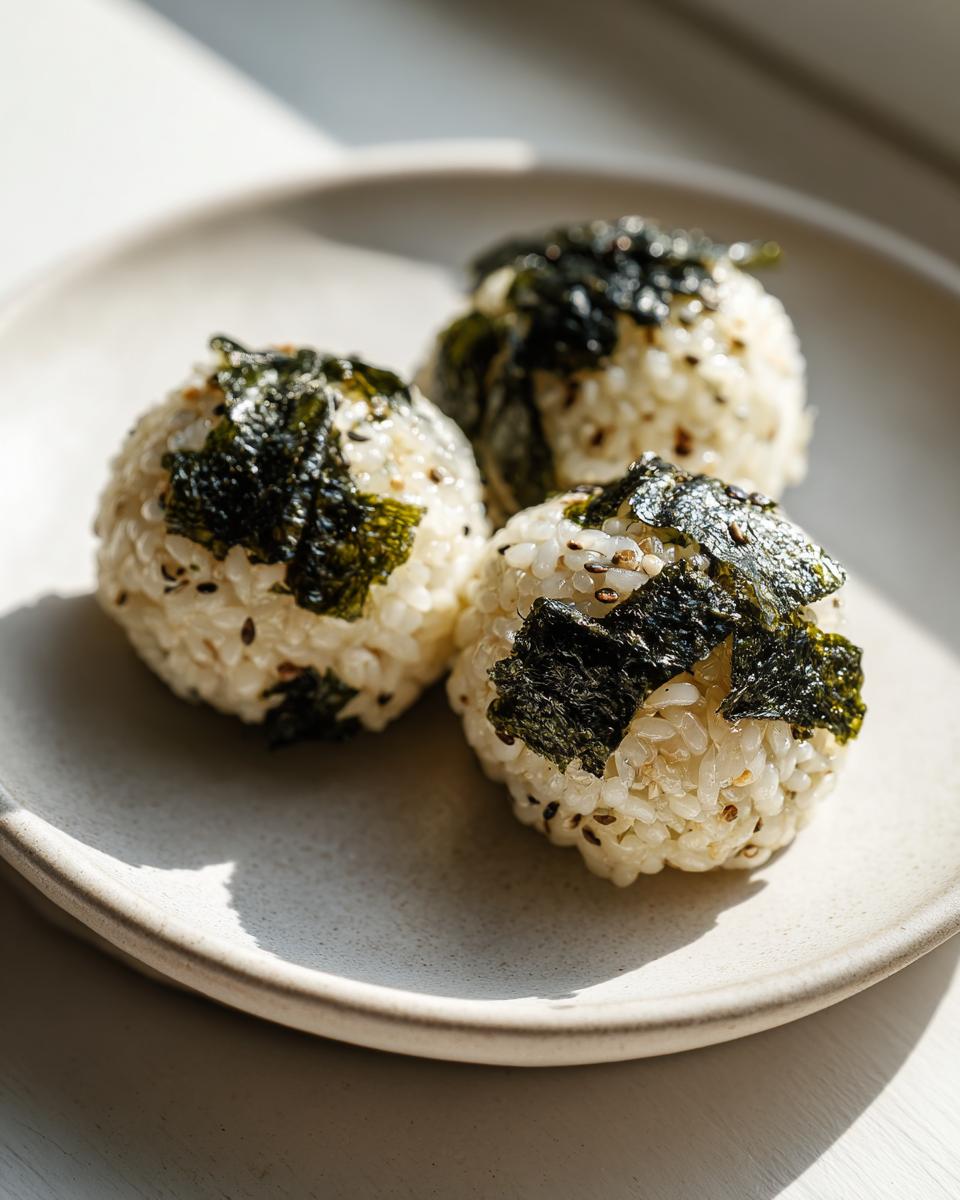
To serve them like this, just arrange them nicely on a platter—maybe alternating between seaweed-coated balls and ones rolled in toasted sesame seeds for visual interest. They are ready to go as soon as you finish rolling them. No plates needed, grab and munch!
Storage and Make-Ahead Tips for Korean Rice Balls
If you are anything like me, the absolute best part of making a snack that involves assembly is knowing you have some left over for tomorrow! Good news: these Korean Rice Balls are fantastic for meal prep. They hold up really well, provided you follow a couple of simple rules, especially regarding moisture.
You can definitely make a big batch ahead of time, which is exactly what I do on Sunday afternoons so the kids have easy grab-and-go snacks during the school week. They taste great cold, but there are a couple of things to watch out for if you plan on storing them for more than a day.
Refrigeration: How Long They Last
These Jumeokbap balls are good for up to two days in the refrigerator. The key to keeping them from drying out or getting too hard is how you store them. You must keep them airtight! I usually place them in a sturdy plastic container and press plastic wrap directly onto the surface of the rice balls before snapping the lid on tight. This stops them from getting that hard, dry crust the fridge air likes to give everything.
When you take them out the next day and they feel a little firm, don’t fret! Rice naturally hardens up when cold. You can eat them cold if you like the firmer texture, especially if you plan on eating them with something soupy. But if you want that perfect texture back—the one you got right after mixing them—a little warmth helps immensely.
Reviving Your Rice Balls (Reheating Gently)
Reheating is where you need to be gentle because we don’t want to cook the rice twice or cook the seaweed coating until it snaps off! My favorite method is using a microwave, but you have to use short bursts. Place three or four balls on a paper towel or a microwave-safe plate and give them about 15 to 20 seconds on medium power. That’s usually enough time to soften the rice again without making the seaweed soggy.
If you are reheating a larger batch, or if you just don’t trust the microwave on delicate carbs (I totally get it, microwaves can be tricky!), you can steam them lightly. Set up a steamer basket over simmering water and let them sit for maybe three or four minutes. They will steam up beautifully, feel almost freshly made, and the texture will be spot on. Just don’t leave them in there too long, or they will start to fall apart!
Can You Freeze Korean Rice Balls?
This is a great question because I always wonder if I can freeze the extra ones! Here’s my authoritative take: I generally advise against freezing these specific Korean Rice Balls, and here’s why. The high moisture content from the sesame oil and the way short-grain rice reacts to freezing and thawing just doesn’t work well for the texture.
When rice freezes, the water crystals expand and damage the starch structure. Thawed rice balls tend to become mushy, almost watery in consistency, especially once you remove the plastic wrap seal. However, if you absolutely must freeze them, here is the trick: only freeze the seasoned rice *before* you shape it and add the seaweed! Mix the rice and seasonings, place portions into freezer-safe bags, flatten them like little patties, and freeze. When you want to eat them, let the seasoned rice thaw, then proceed with shaping and rolling in the seaweed fresh. That way, at least the final product is fresh!
Frequently Asked Questions About Korean Rice Balls
I get so many great questions about this recipe! It’s one of those dishes where a little tweak can make a big difference, so let’s clear up some of the most common things people ask when they are trying to make perfect Jumeokbap.
Can I use leftover rice for these seasoned rice balls?
Yes, absolutely! In fact, I often prefer it. If your rice is completely cold and hard from the fridge, you might need to reintroduce a little moisture. Cold rice tends to be too dry for good shaping. Before you add the seasonings, sprinkle the cold rice with about a teaspoon of warm water or put it in the microwave for 30 seconds to gently steam it again. Warm rice is much easier to compress evenly into a nice ball structure!
What exactly is ‘gim’ and can I substitute it?
Gim is simply the Korean word for dried, roasted, and usually lightly salted seaweed sheets. It’s the same stuff that sushi restaurants use for rolls, but often it’s sold pre-seasoned and already crumbled or roasted thinner than nori. If you don’t have *gim*, you can use standard sushi nori, but you need to toast it first—just quickly pass the dry sheet over a low gas flame until it gets crispy, then crumble it fine. You could also roll your balls in toasted sesame seeds or even finely ground nuts for a different, but still tasty, exterior crunch!
Why do my rice balls sometimes fall apart when I try to shape them?
This is almost always due to the rice type or temperature, like we just talked about! The rice wasn’t sticky enough or it was too cold and stiff. Ensure you’re using short-grain rice—that’s key! Also, remember to wet your hands with plain water before you start squeezing. That thin layer of water acts as a release agent so the rice sticks to itself but not to your skin. If you’re rolling them tightly enough, they should definitely hold their shape! If you make a batch that doesn’t quite hold, you can always throw the loose rice into a pan and make a quick, simple Korean Ground Beef Bowl side dish instead!
Can I add meat or fish to these Korean Rice Balls?
You certainly can! While the traditional and simplest versions are vegetarian, these seasoned rice balls are wonderful vehicles for adding savory bits. My favorite addition is a little finely crumbled, cooked, seasoned ground beef or even some flaky canned tuna mixed with a tiny bit of mayo and mustard. When you add savory proteins like this, you might want to dial back the soy sauce slightly, just so the overall sodium level doesn’t get too high.
Nutritional Estimate for Korean Rice Balls
I always like to give a rough idea of what you’re eating when you grab one of these, especially if you’re packing them for a lunch or counting macros. Keep in mind these numbers are based on making six average-sized balls using the core recipe ingredients—no extra kimchi or heavy additions!
Here is the typical estimate per ball:
- Serving Size: 1 ball
- Calories: 180
- Fat: 5g
- Saturated Fat: 1g
- Carbohydrates: 30g
- Protein: 4g
- Sodium: 350mg
Because we are using soy sauce and pre-seasoned *gim*, the sodium tends to be the highest number here. If you are watching salt intake, try using low-sodium soy sauce and skipping the added salt in Step 1 of the recipe!
Nutritional Estimate for Korean Rice Balls
I always like to give a rough idea of what you’re eating when you grab one of these, especially if you’re packing them for a lunch or counting macros. Keep in mind these numbers are based on making six average-sized balls using the core recipe ingredients—no extra kimchi or heavy additions!
Here is the typical estimate per ball:
- Serving Size: 1 ball
- Calories: 180
- Fat: 5g
- Saturated Fat: 1g
- Carbohydrates: 30g
- Protein: 4g
- Sodium: 350mg
Because we are using soy sauce and pre-seasoned *gim*, the sodium tends to be the highest number here. If you are watching salt intake, try using low-sodium soy sauce and skipping the added salt in Step 1 of the recipe!
Print
Simple Korean Rice Balls (Jumeokbap)
- Total Time: 10 min
- Yield: 6 servings 1x
- Diet: Vegetarian
Description
A quick and easy recipe for making Korean-style seasoned rice balls.
Ingredients
- 3 cups cooked short-grain white rice
- 2 tablespoons sesame oil
- 1 tablespoon soy sauce
- 1 teaspoon toasted sesame seeds
- 1/2 teaspoon salt
- 1/4 cup finely chopped dried seaweed (gim)
- Optional: 2 tablespoons finely chopped kimchi or cooked vegetables
Instructions
- In a large bowl, combine the cooked rice, sesame oil, soy sauce, sesame seeds, and salt.
- Mix all ingredients gently until evenly distributed. Do not mash the rice too much.
- If using, fold in the chopped kimchi or vegetables.
- Lightly wet your hands with water to prevent sticking.
- Take about 1/4 cup of the rice mixture and gently shape it into a compact ball in your palm.
- Roll the rice ball in the chopped dried seaweed until coated.
- Repeat with the remaining rice mixture.
- Serve immediately or pack for later.
Notes
- You can substitute white rice with brown rice or mixed grain rice.
- For a different flavor, add a pinch of garlic powder or gochugaru (Korean chili flakes).
- These rice balls store well in the refrigerator for up to two days.
- Prep Time: 10 min
- Cook Time: 0 min
- Category: Side Dish
- Method: Mixing
- Cuisine: Korean
Nutrition
- Serving Size: 1 ball
- Calories: 180
- Sugar: 0.5
- Sodium: 350
- Fat: 5
- Saturated Fat: 1
- Unsaturated Fat: 4
- Trans Fat: 0
- Carbohydrates: 30
- Fiber: 1
- Protein: 4
- Cholesterol: 0
Keywords: Korean rice balls, Jumeokbap, easy rice recipe, seasoned rice, quick snack