
Oh, friends, there is nothing—and I mean NOTHING—quite like that smell. That deep, yeasty, herby aroma that fills every corner of your house when you pull fresh bread out of the oven. Most people think making bread means hours of complicated kneading and tricky temperature controls, but I’m here to tell you that’s just not true! This simple Focaccia Bread Recipe is my absolute go-to when I need amazing results fast. Honestly, it’s nearly foolproof. I’ve whipped this dough up last minute before potlucks more times than I can count, and that beautifully dimpled, olive-oil-soaked bread always disappears first. It’s the easiest Italian bread you’ll ever meet!
Why This Focaccia Bread Recipe Stands Out
Look, out of all the Italian recipes I keep in my rotation, this focaccia is the real MVP. It doesn’t require you to commit an entire Saturday to standing over a counter. It’s all about hydration and patience, not wrestling with stiff dough! If you’ve ever made homemade oat milk and thought baking was hard, think again!
- It’s light and fluffy inside, but has that gorgeous, slightly crisp bottom crust. The crumb is just airy enough.
- Seriously minimal kneading! We just mix until it’s shaggy, and the resting time does all the hard work for us.
- The flavor? Oh, that flavor is entirely driven by good olive oil and crunchy salt. It’s pure, simple joy.
If you’re looking for perfect texture delivered easily, this is the one. You’ll see what I mean when you check out how we handle the rises—they are everything!
The Secret to Perfectly Dimpled Focaccia Bread Recipe
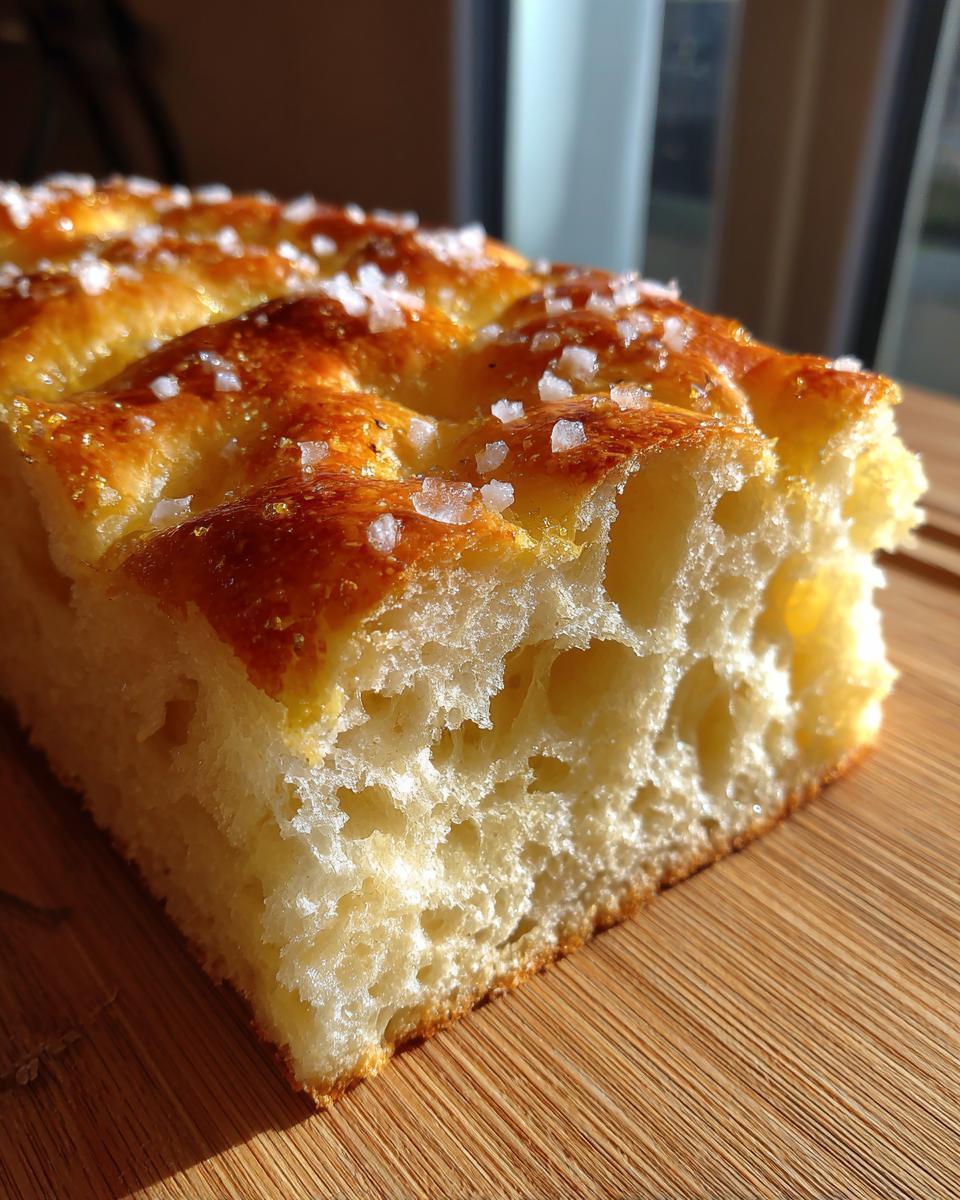
The dimples you see on perfect focaccia aren’t just cute; they hold all that gorgeous, fragrant olive oil we pour on top! Don’t rush those resting times; they build the air pockets. The real trick happens right before it goes into the oven. You have to gently but firmly poke down all over the surface with oiled fingers. It looks like you’re messing up the dough, but you’re really just setting the stage for that classic, bubbly texture that makes this Focaccia Bread Recipe so famous.

Essential Ingredients for Your Focaccia Bread Recipe
When you’re making something this simple, the ingredients have to be spot on. You can’t hide weak flavors here! This Focaccia Bread Recipe relies on just a handful of items, so pick the best you can find. For the water, you want it warm—think bathwater temperature, not piping hot. Around 105°F to 115°F is usually what my thermometer reads, but if you don’t have one, just make sure it feels pleasantly warm between your fingers.
You need 3 cups of all-purpose flour, 1 teaspoon of instant yeast (no fancy blooming needed!), and 1 teaspoon of salt for the dough mix. Of course, you need 1/4 cup of really good olive oil mixed right in, and then plenty more for drizzling and coating the pan. Don’t skimp on that oil; it’s the soul of this bread! It reminds me of making simple simple syrup; you just use quality components.
Ingredient Notes and Substitutions for Focaccia Bread Recipe
For the flour, honestly, standard all-purpose works beautifully for that soft, foldable interior. If you have bread flour lying around, you can swap it in for an extra chewy texture, but don’t feel pressured to buy a special bag—this recipe handles AP flour like a dream!
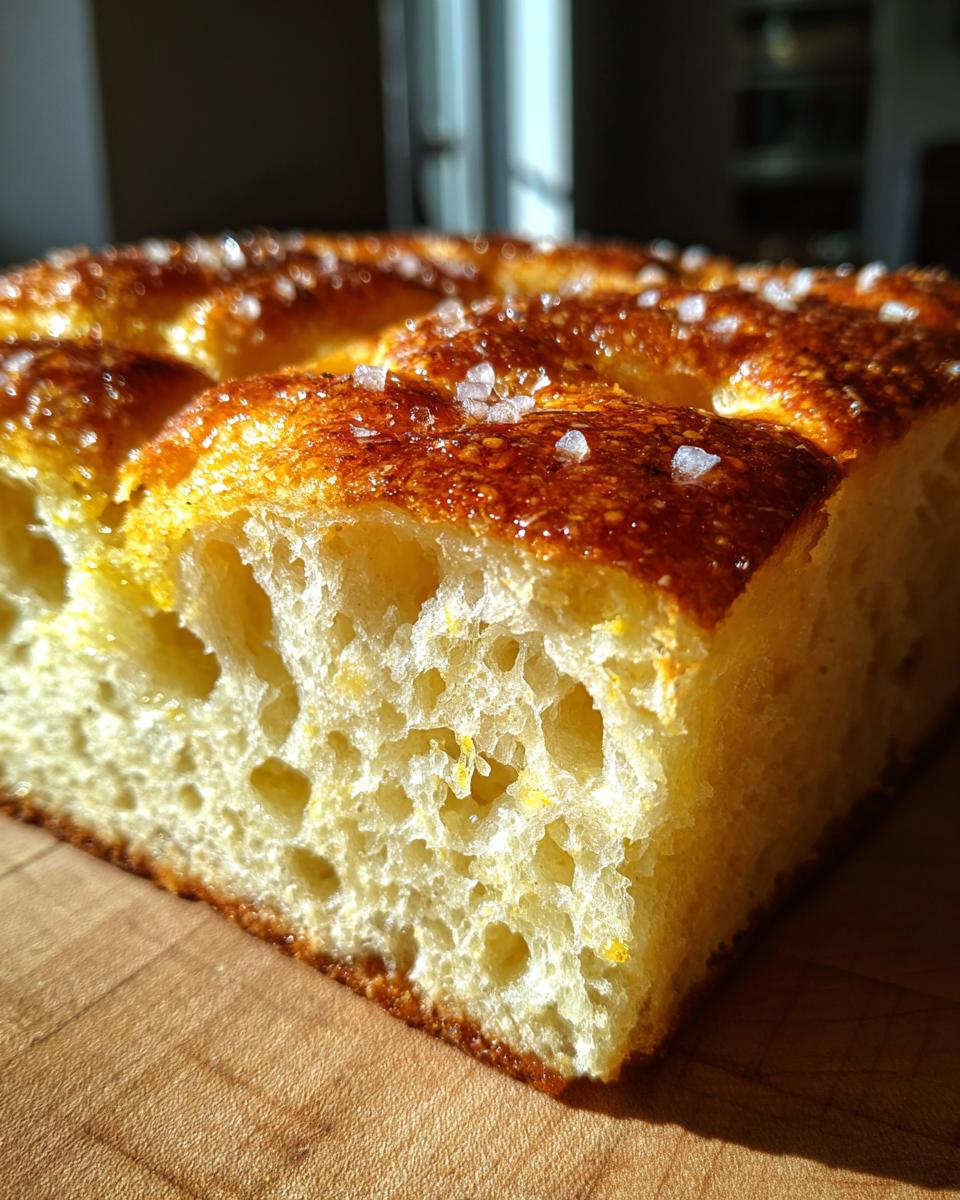
Now, let’s talk olive oil again. Since it’s going into the dough and drizzled all over the top, use Extra Virgin Olive Oil if you can. The robust, grassy flavor really defines this Italian bread. Finally, about that topping: you must use coarse sea salt. The little crunchy crystals on top when it bakes are essential for texture and that amazing salty bite. A fine table salt just dissolves and disappears, which is a tragedy for focaccia!
Step-by-Step Instructions for the Focaccia Bread Recipe
Okay, get ready, because this is where the magic happens! The beauty of this Focaccia Bread Recipe is that it’s mostly hands-off time. You’re looking at about 15 minutes of active work and then roughly 1 hour and 45 minutes of waiting time before it hits the oven for just 25 minutes. So total time is easily under two hours, which, for incredible homemade bread, is basically instant gratification!
Mixing and First Rise for the Focaccia Bread Recipe
First things first: grab a big bowl. You want to mix the flour, instant yeast, and salt together dry. Give that a quick whisk just so everything is evenly distributed. Now, pour in the warm water. Remember that sweet spot for temperature? Just mix it with a wooden spoon or a spatula until you get what I call ‘shaggy dough’—it’ll look messy and slightly sticky, and that’s perfect. Don’t grab the mixer yet!
Next, drizzle in that glorious 1/4 cup of olive oil. Fold it in gently just until you don’t see big streaks of oil anymore. You don’t want to knead or overmix at this point; that develops gluten way too much for this soft style. Cover that bowl with plastic wrap or a damp towel and pop it somewhere warm. Think near a sunny window or just on top of the fridge. Let it sit for 1 to 1.5 hours until it’s doubled in size. You might even find yourself thinking about what toppings you’ll use when you are serving it with some tomato sauce later!
Dimpling and Topping the Focaccia Bread Recipe Dough
While it’s finishing its rise, take your 9×13 pan and really coat the bottom generously with olive oil. Seriously, don’t be shy—this is what creates that crispy, fried-bottom crust we all crave! Gently scrape that puffy dough into the oiled pan. It’s going to deflate a little, don’t panic! Turn the dough over so both sides get a nice slick of oil, then cover it again and let it chill out for another 30 minutes while your oven gets hot—400°F (200°C) is the target.
Once preheated, it’s time for the signature move. Take your fingers—lightly oiling them first helps so much—and gently press down all over the surface. You’re not trying to punch it flat! You just want deep, beautiful holes, or dimples, that reach nearly to the bottom of the pan. Then, drizzle *more* olive oil all over the top until it pools a bit in those dimples. Finish with a heavy blanket of coarse sea salt. Bake it until it’s deeply golden, usually about 20 to 25 minutes. You’ll know it’s done because the aroma is absolutely intoxicating!
Tips for Success with Your Focaccia Bread Recipe
Even though this Focaccia Bread Recipe is super easy, there are a few little tricks I’ve picked up over the years that really elevate it from “good” to “I can’t stop eating this!” Bread baking is all about environment and timing, and these tips will help you master both.
First, let’s talk about the flavor bomb: the overnight cold rise. If you have the patience—and I usually don’t, but my leftovers are always better when I do!—let that dough rise in the fridge instead of the warm spot for the first rise. Cover it tightly, and stick it in there overnight. This slow, cold fermentation develops such a deep, complex flavor that you just can’t get in a rushed environment. It makes the final bread taste like it took days to make, not just a couple of hours!
Next up: oven placement matters immensely for that beautiful bottom crust. If your oven heats unevenly, try putting your pan on one of the lower-middle racks. This gives the bottom of the bread the direct heat it needs to get slightly crispy and golden, not pale and floppy. You want that satisfying *thud* when you tap the bottom!
Another thing I learned the hard way—be generous with the oil in the pan, but don’t drown the dough before dimpling. If the dough is sitting in a puddle, the dimples won’t hold their shape as well. Oil the pan first, *then* gently scrape the dough in. After the final 30-minute rest, apply the oil for the topping and salt. If you’re adding toppings like herbs, sprinkle them with a little olive oil too, so they don’t burn straight away. It’s similar to tossing bread in oil before making homemade croutons; the oil protects them just slightly!
Finally, don’t worry if your dimples aren’t perfectly uniform. That’s the charm of homemade! I promise you, whether they are perfectly circular or slightly lopsided, nobody will complain once they take a bite of that tender, oily crumb.
Focaccia Bread Recipe Variations and Flavor Additions
Part of the fun with this Focaccia Bread Recipe is that once you master the dough—which you totally will, I know it—you can turn it into whatever flavor bomb you want! This bread is like a blank canvas, just begging for some vibrant additions right before it goes into the oven. The standard approach is fantastic, but custom toppings take it right over the top.
The absolute classic addition, and I can’t stress this enough, is rosemary. You can’t go wrong! Take some fresh rosemary sprigs, strip the leaves off, and sprinkle them liberally over that oiled, dimpled dough right before you add the final layer of coarse salt. The heat blooms the herb, and the smell is incredible. I always add a little extra drizzle of olive oil over the rosemary to encourage it to crisp up nicely.
If you want something briny and rich, sliced Kalamata olives are amazing. Just drain them well so you don’t add extra liquid to the dough. You can pit them and slice them right in half; those little salty bites against the soft bread? Perfection. Think about making a big batch and serving it alongside some leftover pesto sauce for dipping!
But let’s get creative, shall we? My favorite little cheat is using cherry or grape tomatoes. Slice them in half and press them cut-side down gently into the dimples. As they bake, they burst and caramelize slightly, releasing this little pocket of sweet juice right into the bread. Oh wow, that’s a game-changer for me. Another thing I experiment with is the finishing salt. Sometimes I use plain coarse sea salt. Other times, I mix that salt with a little pinch of smoked paprika right before baking. It gives it the faintest hint of smokiness that plays so well with the olive oil.
Honestly, once you get the hang of the basic rise and dimple, you can treat this Focaccia Bread Recipe however you want. Just make sure whatever you add isn’t too wet, or it might mess with that beautiful, airy structure we worked so hard to achieve!
Serving Suggestions for Your Homemade Focaccia Bread Recipe
Now comes the really fun part: eating this incredible bread! I mean, you put in the time (mostly waiting time, mind you!), and now you deserve the best delivery method possible. This homemade focaccia is versatile, but honestly, the simplest ways are often the absolute best. I always make sure I have a small bowl filled with really good quality extra virgin olive oil nearby when the bread comes out of the oven.
Dunking the warm, soft bread right into that oil is pure Italian heaven. If you want to amp that up just a notch, mix a splash of balsamic vinegar into the oil. The sweet tang of the balsamic cuts through the richness of the oil and that salty crust perfectly. It’s sophisticated without any effort at all!
But this bread isn’t just a dip vehicle! Because we developed such a sturdy, flavorful loaf here with our Focaccia Bread Recipe, it stands up beautifully to accompany bigger meals. Think about making a big pot of hearty soup—maybe a creamy tomato bisque or a chunky vegetable stew. You tear off a hunk of focaccia, soak up every last drop from the bowl, and suddenly, your simple soup night feels like a five-star restaurant experience. It’s perfect for serving alongside salads too; just use the bread instead of croutons, though I love a good salty rimmed drink next to it!
And listen, never think of this just as a side dish. A thick slice of this focaccia, maybe topped with some fresh arugula, some soft mozzarella, and maybe a drizzle of honey? Done. Lunch solved! It’s hearty enough to be the star on its own—just make sure you’re ready for the compliments!
Storage and Reheating Instructions for Focaccia Bread Recipe Leftovers
Even when this bread is only a day old, it’s still incredible, but let’s be real—the best focaccia experience is when it’s warm from the oven! So, what do you do when you miraculously have leftovers from your amazing batch of homemade iced tea-accompanied feast? We focus on keeping that outer crust from getting soggy!
If you’re eating it within the first 24 hours, the absolute best storage method is just leaving it on the counter, cut-side up, loosely tented with foil or plastic wrap. I know, I know, just setting it out sounds crazy simple, right? But because this Focaccia Bread Recipe is so rich with olive oil, leaving it exposed to the air actually helps the crust stay a little bit crisp instead of steaming itself soft in an airtight container.
If you need to keep it longer, say 2 to 3 days, you do need to seal it. Wrap the loaf tightly in plastic wrap, and then slip that whole thing into a zip-top bag. It might get a little softer texture-wise, but it will still be miles better than anything store-bought.
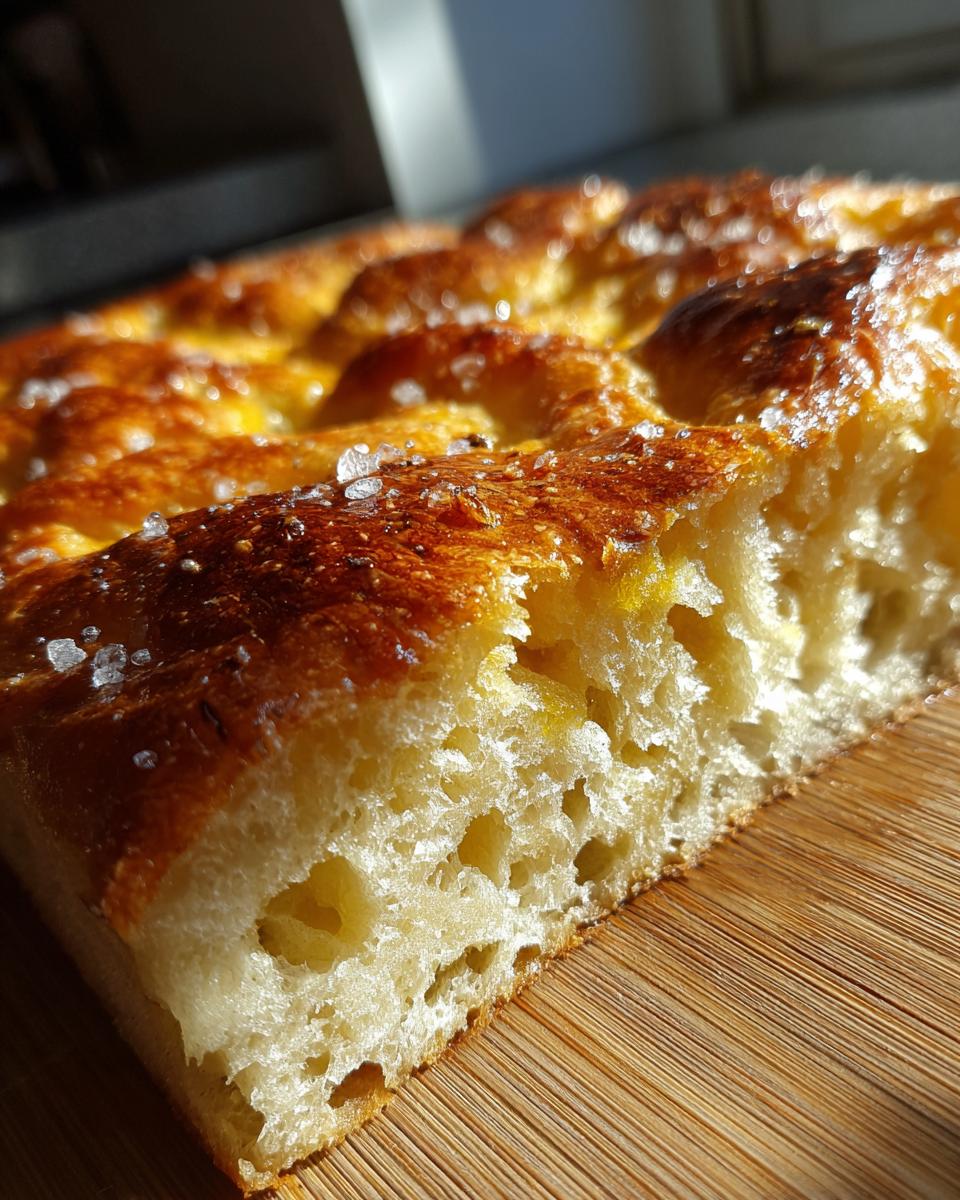
Now for the magic reset button: reheating! You never, ever want to microwave this bread; it turns into pizza dough instantly, which is just awful. Instead, preheat your oven—or even a toaster oven if you only have a small piece—to about 350°F (175°C). Lay the piece of focaccia directly on the rack, or place it on a baking sheet if you’re worried about residual oil dripping). Give it about 5 to 8 minutes. That little blast of dry heat crisps up the exterior while warming the airy crumb right back up. It smells amazing again, just like the first time you pulled it out! That’s how you keep your Focaccia Bread Recipe results fresh for days!
Frequently Asked Questions About the Focaccia Bread Recipe
I totally get it! When you’re trying out a new baking project, you usually have a few mental speed bumps before you hit that ‘Start’ button. Rest assured, this Focaccia Bread Recipe is super forgiving, but here are a few things readers ask me all the time, especially if they are also dabbling in making something like homemade iced tea and worry about timing!
Can I make this Focaccia Bread Recipe without a stand mixer?
Oh, absolutely, yes! You don’t need a stand mixer for this at all, which is part of why I love it so much—it keeps the barrier to entry low. When you first add the water, you just stir it with a sturdy wooden spoon or a silicon spatula until it forms that rough, messy, ‘shaggy dough.’ That takes maybe two minutes of light mixing. The mixer isn’t really needed for kneading here; the yeast and the resting time do all the heavy lifting for achieving that airy crumb! Just make sure you give that initial mix-in enough love so all the flour is incorporated before it rests.
Why is my homemade focaccia flat and dense?
This is almost always a proofing issue, honey! If your focaccia ends up flatter than a pancake, two things likely happened. First, either your yeast wasn’t active, or you didn’t give it enough time in a warm environment during that first rise. It needs to actually double in size! Second, when you scraped it into the pan, did you handle it too roughly? If you punch all the gas out of that beautifully developed dough, it won’t spring back up. Remember, you’re gently scraping, not kneading or tossing it around! Over-handling it will create gluten strands that stop the bread from getting those big, dreamy air bubbles inside.
What is the best oil to use for this Focaccia Bread Recipe?
I cannot stress this enough: use the best quality Extra Virgin Olive Oil (EVOO) you have tucked away! Since the oil is practically the main ingredient here—it’s in the dough, coating the pan, and pooled on top—you need one that tastes good on its own. A mild, generic vegetable oil just won’t cut it for flavor, even if it works functionally. Look for something green, peppery, or grassy. That rich, fruity profile is what makes this Italian bread taste authentic. Think of it as an ingredient, not just a lubricant. If you wouldn’t dip bread into it, don’t bake with it!
Estimated Nutritional Information for This Focaccia Bread Recipe
Now, I hate to be the one to bring science into our beautiful, rustic baking session, but sometimes people ask about the numbers, so here they are! Remember, this Focaccia Bread Recipe is glorious because it relies on good, simple ingredients, mostly flour and olive oil, so naturally, it’s rich. These numbers are based on standard measurements for 8 servings, but you know how it is in a home kitchen—your scoop of salt vs. my scoop can change things!
Think of this chart as a helpful guideline rather than a strict scientific fact, especially since we are using homemade ingredients. If you used a super high-quality, heavy-bodied olive oil, your ‘Fat’ number will naturally bump up, but trust me, it’s worth every single calorie!
- Serving Size: 1 slice
- Calories: 220
- Sugar: Barely 1 gram! (See? No sneaky added sweetness here!)
- Sodium: Around 350 mg (mostly from that beautiful finishing salt!)
- Fat: 8 grams total
- Saturated Fat: Only 1 gram
- Unsaturated Fat: A wonderful 7 grams (hello, olive oil!)
- Trans Fat: Zero, thank heavens!
- Carbohydrates: 34 grams
- Fiber: 1 gram
- Protein: 6 grams
- Cholesterol: 0 (Because who puts butter in homemade focaccia?)
This information confirms what we already knew: this bread is wonderfully simple! It’s primarily complex carbs from the flour and healthy monounsaturated fats from the olive oil. A perfect pairing for almost anything, really. Just remember these estimates depend heavily on brands, how thickly you drizzle that finishing oil, and exactly how thinly you slice the final loaf. If you slice it thin, you get more servings, and those calories go way down! Happy baking!
Print
Simple Focaccia Bread Recipe
- Total Time: 135 min
- Yield: 8 servings 1x
- Diet: Vegetarian
Description
A straightforward recipe for making soft, dimpled focaccia bread at home.
Ingredients
- 3 cups all-purpose flour
- 1 teaspoon instant dry yeast
- 1 teaspoon salt
- 1 1/2 cups warm water
- 1/4 cup olive oil, plus more for drizzling
- Coarse sea salt for topping
Instructions
- Combine flour, yeast, and salt in a large bowl.
- Pour in the warm water and mix until a shaggy dough forms.
- Add 1/4 cup olive oil to the dough and mix briefly until incorporated.
- Cover the bowl and let the dough rest in a warm place for 1 to 1.5 hours, or until doubled in size.
- Lightly grease a 9×13 inch baking pan with olive oil.
- Gently scrape the dough into the prepared pan. Turn the dough over to coat both sides with oil.
- Cover the pan and let the dough rest for another 30 minutes.
- Preheat your oven to 400 degrees Fahrenheit (200 degrees Celsius).
- Use your fingers to gently press dimples all over the surface of the dough, being careful not to deflate it completely.
- Drizzle extra olive oil over the top and sprinkle generously with coarse sea salt.
- Bake for 20 to 25 minutes, or until the top is golden brown.
- Remove from the oven and let cool slightly before slicing and serving.
Notes
- For a richer flavor, you can let the dough rise slowly in the refrigerator overnight.
- Feel free to add herbs like rosemary or sliced olives before baking.
- Prep Time: 15 min
- Cook Time: 25 min
- Category: Bread
- Method: Baking
- Cuisine: Italian
Nutrition
- Serving Size: 1 slice
- Calories: 220
- Sugar: 1
- Sodium: 350
- Fat: 8
- Saturated Fat: 1
- Unsaturated Fat: 7
- Trans Fat: 0
- Carbohydrates: 34
- Fiber: 1
- Protein: 6
- Cholesterol: 0
Keywords: Focaccia Bread Recipe, homemade focaccia, Italian bread, easy bread recipe, olive oil bread