
If you think breakfast has to be boring toast and coffee, I’m here to shake things up! Seriously, I’ve been tweaking morning meals for years, trying to find that perfect balance between something fast and something truly indulgent. That’s how I stumbled onto this amazing version of a classic: **Eggs Halifax**.
Forget the fuss of a classic Hollandaise; this version uses a simple, creamy sauce that feels luxurious without demanding your entire attention at 7 AM. When I first made this, my kitchen smelled amazing—that warm, buttery aroma hits just right. It uses poached eggs, obviously, sitting right on top of toasted English muffins and savory ham. Trust me, this recipe is your new shortcut to weekend brunch perfection!
Why You Will Love Making Eggs Halifax
I’m telling you, this Eggs Halifax is a game-changer when you need a special breakfast fast. It hits all the right notes without a huge mess. Here’s why it’s become my go-to morning treat:
- It’s lightning fast—on the table in under 25 minutes total!
- The sauce is unbelievably creamy but super easy to whisk up.
- It feels fancy enough for company but simple enough for Tuesday.
- You get that perfectly runny yolk soaking into the soft muffin base.
- It’s wonderfully comforting, savory, and satisfying.
Seriously, don’t skip this one. You deserve a creamy breakfast this easy!
Essential Equipment for Perfect Eggs Halifax
Listen, half the battle with great morning food is having the right gear ready to go. Don’t go rummaging around when the bacon is sizzling! I keep these few things out on the counter for making Eggs Halifax because they make the process smooth sailing.
For the savory side of things, you absolutely need a good non-stick skillet. That’s where you’ll warm up your ham or bacon until those edges get slightly crisp—you want that heat!
Now, for the star of the show, the sauce, you need a small saucepan. It doesn’t have to be anything huge, just a little guy for melting butter and whisking in that milk until it turns velvety. Speaking of whisking, grab your whisk—a balloon whisk works best here for getting rid of any little lumps quickly.
When it comes to poaching those magnificent eggs, you’ll want a deep pan with simmering water, and trust me, a slotted spoon is your best friend. That spoon lets you gently lift the perfectly cooked egg right out of the water without tearing it up. Always have your toasted English muffin ready for its closeup!
Ingredients for the Ultimate Eggs Halifax
When putting together Eggs Halifax, I like to keep everything nice and tidy. It really helps the whole process flow if you separate the ingredients needed for that dreamy sauce from the things that just form the base. Don’t worry if you don’t have fancy ingredients; this uses pantry staples, which is why I love it! Just make sure your milk is room temperature if you can manage it; it helps the sauce come together smoothly without any lumps.
We’re aiming for pure comfort here, so getting the measurements right for the sauce is the trickiest but most rewarding part. It cooks down fast, so have everything measured out and sitting right next to the stove!
For the Creamy Sauce (Hollandaise Alternative)
This is the thick, luscious layer that makes this dish famous. Don’t skimp on the butter here; it’s what gives it that rich texture.
- 2 tablespoons butter (unsalted is best so you can control the final saltiness)
- 1 tablespoon all-purpose flour
- 1/2 cup milk (I use whole milk for extra creaminess)
- 1/4 teaspoon salt—use good quality salt!
- A tiny pinch of black pepper
- A light sprinkle of paprika for color
For Assembling the Eggs Halifax
This is the foundation! And seriously, poaching eggs is way easier than everyone makes it sound. Have your water ready to go!
- 2 hearty English muffin halves
- 2 large eggs (fresh eggs will hold their shape much better when poaching)
- 4 slices Canadian bacon or maybe some nice thick ham slices
Step-by-Step Instructions to Make Eggs Halifax
Okay, deep breath! This is where the magic happens, but it goes fast, so try to prep your components as you go. We’re doing this in three main stages: creating our toast and ham base, making that silky sauce, and then doing the delicate poaching and layering. If you get the cream sauce right, the whole dish lifts off the plate, I promise. You can even check out how I make my simple syrup if you want tips on balancing richness, because it’s the same principle—sweetness needs balance!
Preparing the Base and Bacon
First things first, get your English muffins toasted. I like mine nice and golden—not pale!—so they have enough structure to hold up under the egg and sauce. While those are crisping up, grab your skillet. You don’t need much oil; just heat that skillet over medium heat.
Toss in your Canadian bacon or ham slices. We’re just heating them through and getting a little bit of color on the edges, maybe two minutes per side. Once they look perfectly warmed and slightly golden, pull them out and divide them onto your two toasted English muffin halves. Set that aside on your serving plates so they are ready to be topped!
Creating the Creamy Eggs Halifax Sauce
This sauce is technically a quick bechamel, folks, but we’re calling it our creamy Halifax magic! Grab that small saucepan and set it over medium heat—not too high, we don’t want to scorch anything.
Drop in your 2 tablespoons of butter and let it melt completely. Once it’s bubbling just slightly, whisk in your tablespoon of flour. You have to whisk constantly for about a minute. This is called cooking the roux, and it gets rid of that raw flour taste. It should look like wet sand.
Now, here’s the slow part that requires patience. You need to gradually whisk in the 1/2 cup of milk. Add a tiny splash, whisk it until it’s smooth, then add a little more. Keep going until all the milk is incorporated and the sauce starts to thicken up. It should coat the back of a spoon. If you want that perfectly runny yolk later, here’s a little secret: add a tiny splash of vinegar to the water you’ll use for poaching the eggs; it helps the whites set faster! You can read more about keeping liquids smooth over here; sometimes the physics are just frustrating when you’re trying to make something good without lumps, like when I get into iced tea mistakes!
Finally, stir in your salt and pepper. Taste it! It needs that little kick. Turn the heat way down to low or even turn it off while you finish the eggs, or it might turn into glue.
Poaching the Eggs and Final Assembly of Eggs Halifax
Time for the star! If you haven’t already, get a pan of water simmering—not furiously boiling, just a gentle simmer, and remember that splash of vinegar if you want an easier poaching experience. Gently crack your large eggs one at a time into small bowls or ramekins first. This lets you slide them easily into the water.
Carefully lower the egg into the simmering water. Let them poach until the whites are solid but the yolk is still gloriously jiggly. For me, that’s usually about three minutes. Use your slotted spoon to gently lift them out, letting all that water drain off. Dab them briefly on a paper towel if you need to get rid of excess moisture.
Now, assemble! You should have your toasted muffin halves topped with the cooked Canadian bacon on the plate. Place one beautiful poached egg right on top of the bacon on each half. Spoon that creamy Halifax sauce liberally over the egg—don’t be shy!—and finish it off with a quick, pretty sprinkle of paprika right over the top. Serve immediately before your yolk solidifies!

Tips for Success with Your Eggs Halifax
After making this dish more times than I can count, I’ve figured out a few little tricks that stop kitchen chaos and guarantee spectacular results every time you make Eggs Halifax. You want that sauce luscious, not stiff, and those yolks perfect, right? I’ve got you covered.
My absolute top tip is regarding the sauce. Because this is a milk-based topping and not a true butter-heavy Hollandaise, it tightens up fast once it cools down even a little. If you are making this for more than two people and you’re poaching the eggs in batches, don’t let the sauce sit unattended on the stove. Just keep it over the lowest possible heat—maybe even taking the pan off the burner entirely between assembly steps. If you need to reheat it slightly, do it gently over a warm water bath, not direct heat. It’s far better to have a runny sauce than a clumpy one!
Another thing I learned that really helped with the eggs: when the water is simmering gently for poaching, create a little whirlpool just before you drop the egg in. Give the water a good swirl with your spoon before carefully sliding your cupped egg into the center of that vortex. The swirling action helps wrap the egg white neatly around the yolk right away, giving you that perfect, tidy shape we want on these things. It’s almost like watching a tiny culinary ballet!
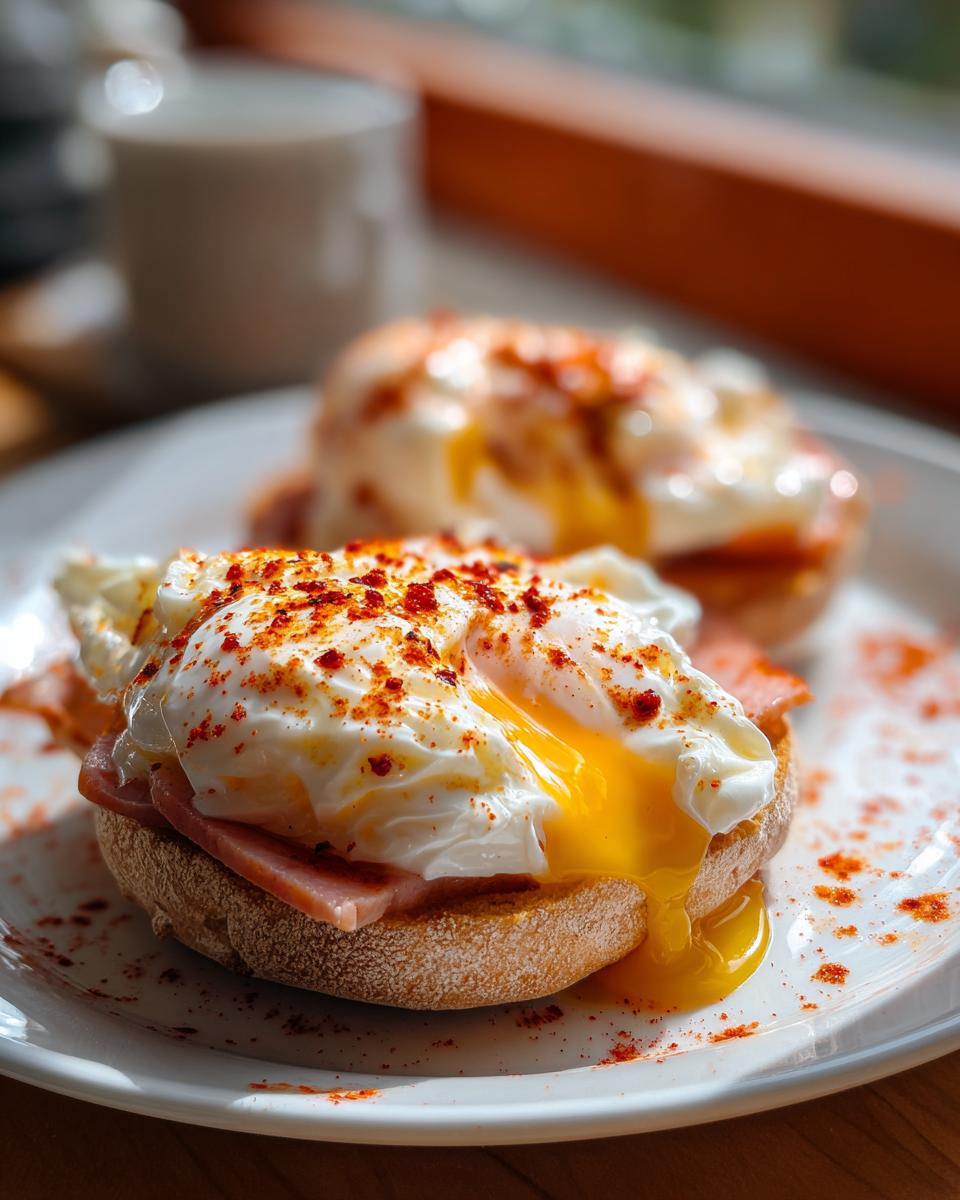
And speaking of perfection, always taste your sauce before it goes on the plate—and I mean really taste it. Because we aren’t using lemon juice or acid like in a traditional Benedict, the salt and pepper are carrying all the flavor punch. If it tastes just okay, add another tiny pinch of salt. You can always add less, but you can’t take it out once it’s on the plate! If you want to see how good layering flavor can be, look at my notes on homemade tomato sauce; it’s the same idea about seasoning up your base!
Variations on Classic Eggs Halifax
You know I love the classic recipe, but honestly, half the fun of cooking is mixing things up! Once you master that creamy sauce, you can use it as a base for practically anything breakfast-y. I’ve gotten so many fun results just by swapping out one element in the standard Eggs Halifax setup. Don’t feel tied to the Canadian bacon!
The note I included mentioned swapping in smoked salmon, and wow, does that take this dish up a notch. Imagine: toasted English muffin, a layer of cool, salty smoked salmon instead of the ham, that perfectly poached egg nestled on top, and then drowning it all in that warm, creamy sauce. The contrast between the warm sauce and the cold, rich salmon is incredible. It’s like the easiest version of Eggs Royale you can imagine!

If salmon isn’t your speed, try swapping out the English muffin entirely. I’ve experimented with thick slices of sourdough that have been toasted until they’re almost cracker-crisp, and it gives you a fantastic crunch factor that holds up beautifully under the sauce. Or—and this is for a truly decadent brunch—use leftover slices of buttery brioche bread instead! Just make sure whatever you use is sturdy enough.
Another fun little tweak involves jazzing up the spice blend in the sauce. If you want a little kick, try adding a tiny dash of cayenne pepper into the milk mixture along with the salt and pepper—just a hair, mind you! If you’re keeping things purely comforting, you could even add a whisper of nutmeg to the sauce; it complements the milk so well. It’s amazing how small changes can make a dish feel brand new. If you get curious about playing around with flavor profiles after this, you absolutely have to check out my guide on getting the rim right on a classic Margarita—the principle is similar: the garnish or extra flavor note really defines the experience!
Storage and Reheating Instructions for Eggs Halifax Components
Okay, let’s be real: Eggs Halifax is one of those glorious breakfast dishes that really hates being saved for later. That perfectly poached egg gets sad, and the crispness of the muffin vanishes into vapor the second it hits the fridge. I’ve learned the hard way that timing is everything here!
The golden rule for leftovers is to *only* store the components separately. You absolutely cannot store the assembled dish. But if you cook a little too much bacon or wanted to make a giant batch of the creamy sauce to save time later, that’s totally doable!
For the sauce—that gorgeous hollandaise alternative—you can store it in a small, airtight container in the fridge for up to three days. It will likely look thick and maybe slightly jiggly when you pull it out; that’s normal because of the flour and milk base. Don’t panic!
Reheating the sauce takes patience, not power. Never blast it in the microwave; it’ll curdle or get tough instantly. Instead, put the sauce in a very small saucepan over the absolute lowest heat setting you have. You can add just a teaspoon or two of extra milk or even a splash of water to help it loosen up as it warms slowly. Whisk it constantly until it’s smooth and pourable again. You’re basically just nudging it back to life, not cooking it again.
As for the bacon or ham, those reheat perfectly well in a dry skillet over medium heat until they crisp up again, taking only a couple of minutes. The English muffins? Toast them fresh daily if you can; they just taste so much better!
And the eggs? Honestly, if you over-poach them, it’s usually best to just toss them or maybe chop them up and sneak them into scrambled eggs the next morning. Trying to reheat an already cooked poached egg is a recipe for disappointment. We want that luscious flow, right? So, plan to poach the eggs fresh every time you enjoy your leftovers!
Frequently Asked Questions About Eggs Halifax
I get so many messages about this recipe! It’s super straightforward once you know the tricks, but every breakfast warrior has a few questions when they first try a new method. Don’t worry, I remember when I first tried making this creamy version instead of the traditional one. Here are the things I hear asked the most about crafting the perfect plate of Eggs Halifax!
Can I make the sauce for Eggs Halifax ahead of time?
You totally can store the sauce component ahead of time, which is a lifesaver when you’re rushing in the morning! Keep that creamy sauce separate in an airtight container in the fridge for about three days. But, and this is important, you have to reheat it super gently. Use the lowest heat you have, maybe even set the sauce container into a pan of warm water, and whisk constantly. If you try to rush it, it gets stiff and sad. We want luscious, remember?
What is the main difference between Eggs Halifax and Eggs Benedict?
It all comes down to that glorious topping! The classic Eggs Benedict relies on a traditional Hollandaise sauce, which is an emulsion of egg yolks and clarified butter—it’s rich and tangy because of the lemon juice. Eggs Halifax, on the other hand, uses this simpler, thicker, milk-based sauce. It’s easier to make because you don’t have to worry about tempering yolks, which means it’s far less likely to separate. Think of it as a velvety, comforting hollandaise alternative that’s just as satisfying!
How do I prevent my poached eggs from breaking when making Eggs Halifax?
This is the question I hear most often about poaching! Those delicate poached eggs need respect. My number one secret is adding a splash of vinegar—white vinegar works best—to the simmering water. This slightly acidifies the water and helps those egg whites firm up faster right when they hit the heat, keeping them tightly wrapped around the yolk. Also, don’t let your water boil wildly; it needs to be a gentle simmer where you see little bubbles occasionally rising. When you slide the egg in, swirl the water slightly first to create a vortex; that spinning motion keeps the white from floating away in wisps.

If you have more burning questions, feel free to drop them in the comments below! I love hearing about what you’re making. If you’re looking for more great recipes based on simple techniques, you might enjoy checking out some of my other favorites!
Nutritional Estimates for Eggs Halifax
Okay, let’s talk fuel! While this dish is pure comfort food, it actually packs a decent protein punch. That Canadian bacon and those two lovely eggs really contribute to making this a filling breakfast that holds you over until lunchtime. Remember, this stuff is always an estimate because how much butter *I* use versus how much *you* use can change things, right?
These numbers are based on using standard ingredients—whole milk, regular English muffins—so factor in if you use skim milk or a specialty bread. But generally speaking, here is what you are looking at for a single serving of this incredible Eggs Halifax. It’s good to know what you’re eating, even when it tastes this decadent!
- Serving Size: 1 serving
- Calories: Roughly 350 calories
- Fat: About 20g total fat (with 10g being saturated fat)
- Protein: A solid 20g of protein!
- Carbohydrates: Around 25g
- Sugar: Very low, sitting at just 3g
- Sodium: This is the higher one, just under 750mg, because of the ham/bacon and salt in the sauce.
- Fiber: Around 2g
So, see? Not bad for something that tastes like you spent hours fussing over it! Just a heads up: if you swap out the Canadian bacon for something fattier, or if you use heavy cream instead of milk in that glorious sauce, those numbers are going to shift a bit! Consider these estimates a great starting point for planning your morning!
Share Your Experience Making Eggs Halifax
Whew! We made it through the whole process, from melting that butter to sprinkling that final touch of paprika. Now, that plate of beautiful, creamy Eggs Halifax is sitting right in front of you, and I am just dying to know how it turned out!
Cooking is all about community for me, and I genuinely love seeing how you all adapt and conquer these recipes in your own kitchens. Did you manage to get those poached eggs just exactly how you like them? Did you add a little extra pepper to the sauce to give it a kick?
Don’t be a stranger! I’d be thrilled if you could leave a quick star rating for this recipe right below this section. Even better, snapshot a picture once you’ve plated it up and tag me on social media! Seeing your breakfast spreads brightens my whole week, and your feedback helps other folks feel confident trying out this amazing hollandaise alternative. Did it beat out your usual go-to brunch? Let me know!
If you found this recipe super helpful and want to keep exploring kitchen magic that’s just as easy, why not check out some of my other simplified guides? For example, if you ever get into mixology, I have some great tips on how to nail the perfect rim on a Classic Margarita. Happy cooking, and enjoy every last bite of that creamy, dreamy breakfast!
Print
Eggs Halifax
- Total Time: 25 min
- Yield: 2 servings 1x
- Diet: Vegetarian
Description
A variation of Eggs Benedict featuring a creamy sauce over poached eggs and English muffins.
Ingredients
- 2 English muffin halves
- 2 large eggs
- 4 slices Canadian bacon or ham
- 2 tablespoons butter
- 1 tablespoon all-purpose flour
- 1/2 cup milk
- 1/4 teaspoon salt
- Pinch of black pepper
- Pinch of paprika
Instructions
- Toast the English muffin halves lightly.
- Cook the Canadian bacon or ham in a skillet until heated through.
- Poach the eggs to your desired doneness.
- Prepare the sauce: Melt the butter in a small saucepan over medium heat.
- Whisk in the flour and cook for one minute.
- Gradually whisk in the milk until the sauce thickens slightly.
- Stir in the salt and pepper.
- Place the toasted muffin halves on plates. Top each with the cooked bacon or ham.
- Place one poached egg on top of the bacon on each muffin half.
- Spoon the sauce evenly over the eggs.
- Sprinkle with paprika before serving.
Notes
- For perfectly poached eggs, add a splash of vinegar to the simmering water.
- You can substitute smoked salmon for the bacon for a different flavor.
- Prep Time: 10 min
- Cook Time: 15 min
- Category: Breakfast
- Method: Stovetop
- Cuisine: American
Nutrition
- Serving Size: 1 serving
- Calories: 350
- Sugar: 3
- Sodium: 750
- Fat: 20
- Saturated Fat: 10
- Unsaturated Fat: 10
- Trans Fat: 0
- Carbohydrates: 25
- Fiber: 2
- Protein: 20
- Cholesterol: 300
Keywords: Eggs Halifax, poached eggs, English muffin, breakfast, brunch, hollandaise alternative