
You know the feeling, right? You’re sitting in that amazing Mexican restaurant, trying not to devour the entire basket of chips before the main course even arrives, just so you can keep eating that vibrant, slightly tangy, perfectly spicy salsa? I used to dream about recreating that flavor explosion at home, but frankly, store-bought brands rarely hit the mark. That’s why I spent way too many weekends testing cans of tomatoes until I nailed this recipe for the *best* Spicy Restaurant Style Salsa.
Seriously, this recipe is lightning fast—we’re talking ten minutes, tops, if you count chopping. It uses standard pantry cans, which keeps things super consistent, and the secret combination of fresh onion, garlic, and bright lime juice gives it that punch you crave. It’s messy, it’s bold, and it’s become the absolute mandatory dip for every single movie night, game day, or random Tuesday when I just need a little zest in my life. Trust me, once you make this, you won’t go back!
Why This Spicy Restaurant Style Salsa is Your New Go-To Dip (Experience & Expertise)
So, what separates my quick blender salsa from the slightly sad stuff in the jar? It comes down to two things: texture and that bright, zesty punch that only comes from fresh additions. We’re not aiming for baby food here; we want something with character, something that tastes like it just came out of a professional kitchen’s salsa machine. When I first made this, I blended it way too long, and it came out thin. Oops! Learned my lesson fast about that.

Here’s the rundown on why this specific setup works so brilliantly:
- It relies on canned tomatoes for that signature consistent base flavor that restaurants use.
- It keeps the cilantro and onion fresh for maximum impact.
- It finishes with a squeeze of lime that wakes everything up!
Achieving the Perfect Restaurant Texture for Spicy Restaurant Style Salsa
The absolute key to that desirable restaurant texture—a little chunky, but not gloopy—is how you treat your appliance. You need to use a food processor or a blender, but for heaven’s sake, don’t turn it on high and walk away! You’re pulsing, not pureeing. Pulse it maybe 5 or 6 times, until you start seeing small chunks of onion and pepper suspended in the liquid base.
I learned the hard way that if you over-process, the heat from the friction almost “cooks” the fresh flavors, making it dull. We want the fresh, crisp bite, and pulsing keeps the ingredients just broken down enough to mix. That slight chunkiness is what lets the salsa cling perfectly to a chip!
Flavor Secrets Behind Great Spicy Restaurant Style Salsa
The magic of a truly great Spicy Restaurant Style Salsa isn’t just heat; it’s balance. We’re tossing in raw garlic and onion because you can’t fake that sharpness. If you use pre-cooked or roasted ingredients, the flavor profile changes completely, moving away from that fresh, vibrant restaurant taste.
The jalapeño is the star of the heat show, but the finish has to be right. Always finish with fresh lime juice right at the end. That acidity cuts through the richness of the canned tomatoes and ties the fresh cilantro notes together. It’s mandatory—don’t skip the lime!
Ingredients You Need for Authentic Spicy Restaurant Style Salsa
Okay, gathering ingredients for this is super simple because most of this comes straight from the can! That consistency is what makes this Spicy Restaurant Style Salsa so reliable, batch after batch. We’re keeping it fresh on the aromatics, though; that’s where the real flavor lives. Grab your measuring spoons and let’s see what we need.
- You will need one (14.5 ounce) can of basic diced tomatoes, and you keep that liquid! Don’t drain it at all—that juice is part of our volume.
- Grab one (10 ounce) can of Rotel, you know, the diced tomatoes and green chilies. Again, keep all that liquid!
- For the fresh bite, chop up about 1/2 cup of white onion. I like the bite of white onion here, but red works if that’s what you have.
- Chop up 1/2 cup of fresh cilantro. I always use a little extra—don’t tell the recipe!
- For the heat, you need 1 to 2 jalapeños. Make sure you seed and roughly chop them first. If you like it fiery, go heavy!
- Two cloves of garlic, peeled. Don’t even think about using the jarred stuff here; fresh garlic makes this pop.
- For the earthy backbone, measure out 1 teaspoon of ground cumin.
- Salt and pepper are easy—1/2 teaspoon of salt and 1/4 teaspoon of black pepper.
- And finally, the brightness: 1 tablespoon of fresh lime juice. Don’t use that bottled concentrate, please!
Ingredient Notes and Substitutions for Spicy Restaurant Style Salsa
A lot of home cooks ask me if they can use fire-roasted tomatoes, and the answer is yes, if you want a slightly deeper, smoky flavor! But honestly, if you want that classic, bright, vibrant Spicy Restaurant Style Salsa flavor, stick to plain diced tomatoes first. The canned stuff provides that wonderful liquidy base that blends just right.
When it comes to the heat, if you find jalapeños too mild, you can always swap in a couple of serrano peppers. Serranos pack a bigger punch! Just remember, the heat always amps up overnight, so be conservative the first time you taste it. Also, don’t skimp on that fresh cilantro; it’s non-negotiable flavor territory!
Step-by-Step Instructions to Make Spicy Restaurant Style Salsa
This is the fun part where everything comes together in a flash! Remember, we are treating our food processor gently here—we don’t want a smoothie, we want salsa! Get all your chopped fresh ingredients ready to go before you even turn the machine on, because you’ll be moving fast.
- First up, toss all those chunky fresh items into your food processor or blender jar: the diced tomatoes (liquid and all), the Rotel, the fresh white onion, the cilantro, the seeded jalapeños, and those two cloves of garlic.
- Now, sprinkle in the flavor builders. Add your ground cumin, the salt, the black pepper, and that tablespoon of fresh lime juice right on top.
- Time to pulse! You’re going to pulse this mixture several times. I mean it—*pulse*, don’t blend continuously. Keep an eye on the texture. You want it slightly chunky so you can tell there are distinct pieces in there. That’s the sign you’ve nailed the restaurant consistency.
- When you think you’re close, stop, scrape down the sides, and give it a good taste. This is my favorite step! Taste it and ask yourself: Does it need more zip? Add a little more salt or maybe another tiny squeeze of lime if it tastes flat.
- Once the flavor is perfect in your opinion, transfer that gorgeous, vibrant liquid into an airtight container. This is important: you have to refrigerate it for at least 30 minutes.
Trust me on the resting time. If I serve it right away—even if it tastes okay—the flavors haven’t really married yet. Letting it chill lets the garlic mellow out and the cumin bloom. It’s worth the wait! Speaking of things that need chilling, if you serve this with a perfect margarita, remember that the secret to a great one is using fresh lime juice, just like we do here! Check out my favorite guide for making a classic lime margarita when you grab your chips. The best margaritas always start with fresh ingredients.
The Crucial Resting Period for Optimal Spicy Restaurant Style Salsa Flavor
I know you’re tempted to grab a chip and dig in the second it comes out of the blender. Resist! That 30-minute chill time isn’t just for cooling it down; it’s for flavor fusion. When all those raw ingredients—the onion, the garlic, the peppers—sit together soaking in the acidity of the tomato juices and lime, they start mingling. That’s where the true, deep flavor of Spicy Restaurant Style Salsa develops.
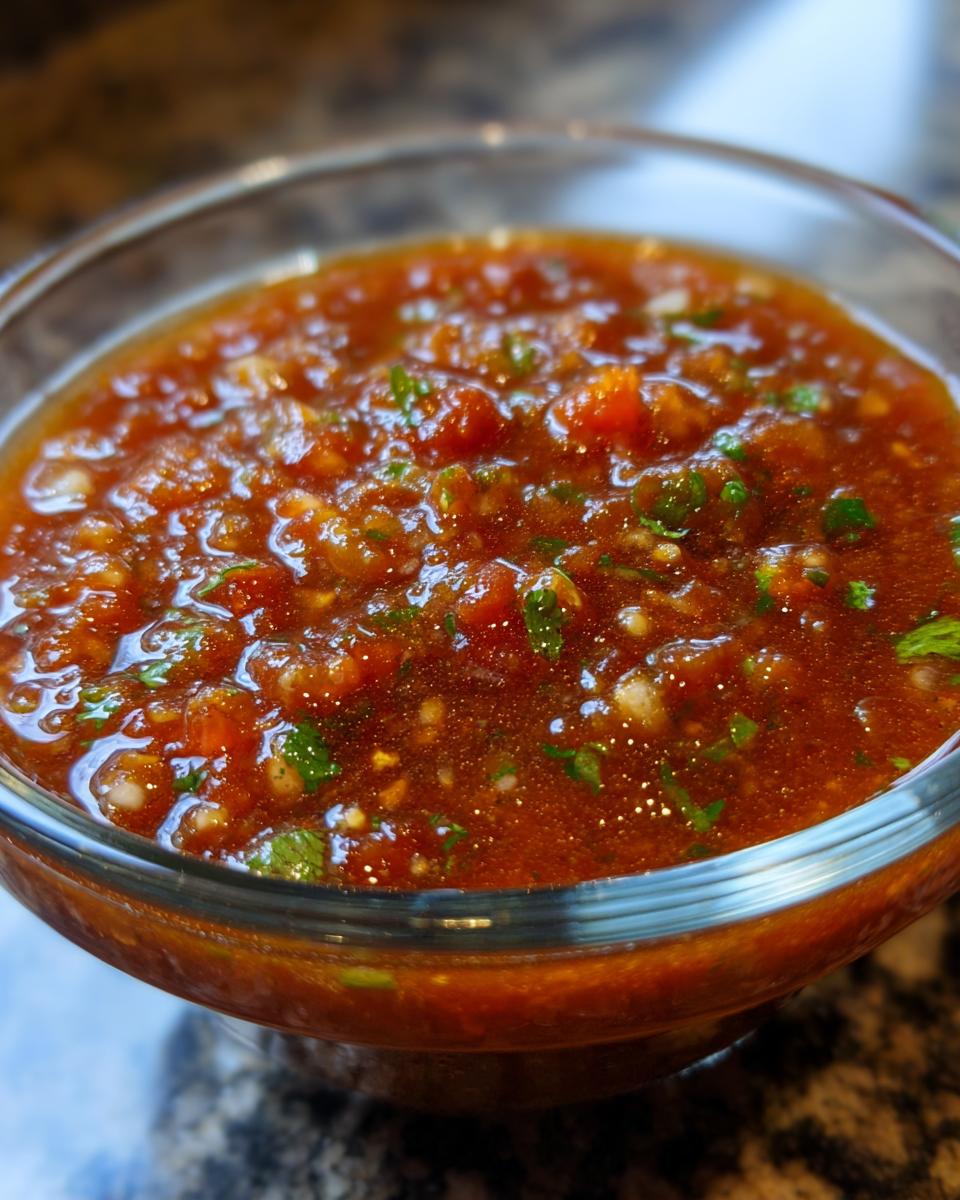
If you can manage it, let it sit for three or four hours, or even overnight. Honestly, I think it tastes even better the next day! It deepens the heat and makes the fresh ingredients taste richer, less sharp. Great salsa takes patience, but luckily, most of the hard work is just waiting for the flavors to get acquainted.
Tips for Success When Making Homemade Spicy Restaurant Style Salsa
Moving past the basic blending, I’ve got a few small tricks I learned that really elevate this from “good homemade salsa” to “wait, did we order this out?” territory. It all comes down to treating your ingredients right before they hit the blades.
First tip, and this is my favorite: always use cold ingredients, especially the canned tomatoes! Keeping everything as cold as possible when you pulse helps maintain that fresh snap in the texture. If your jalapeños or onion are warm, they tend to blend down too quickly.
Second, when you are pulsing, use short, sharp bursts. I pulse three times, give the processor a minute to “rest,” then pulse three more times. This keeps the mixture from heating up too much, which, as we talked about, kills that vibrant restaurant flavor. It takes an extra minute, but the results are stellar.
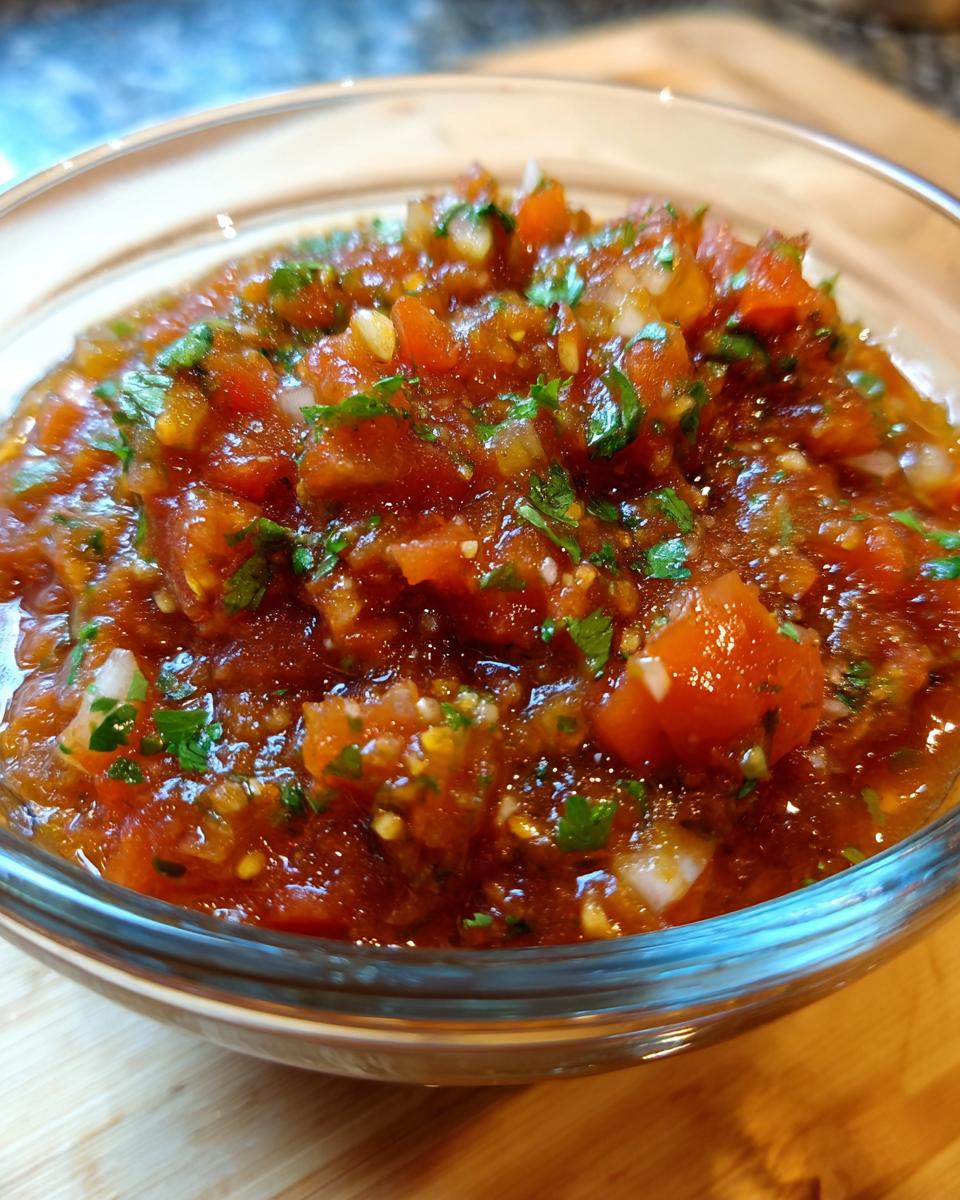
Finally, don’t be afraid to really load it up with the fresh white onion and garlic. These aromatics are what separate this from a simple tomato dip. If it tastes slightly too garlicky raw, don’t panic—that strong bite softens beautifully once it chills in the fridge. That raw, potent flavor is the hallmark of authentic Spicy Restaurant Style Salsa!
Storage and Make-Ahead Tips for Your Spicy Restaurant Style Salsa
One of the best things about this Spicy Restaurant Style Salsa is that it’s actually *better* the next day! I usually make a big batch on a Saturday afternoon just so we can have the freshest-tasting salsa for Sunday football. That chilling time we talked about? It’s crucial for melding those flavors.
For storage, you absolutely need an airtight container. I usually grab one of those glass containers with the snap-on lids—they just seem to keep things fresher longer than flimsy plastic. If you seal it up tight and keep it in the coldest part of your fridge, this salsa stays fantastic for a full week. Seriously, seven days of great dipping potential!
Now, about freezing it—here’s my personal take. Since this recipe relies heavily on canned ingredients for base consistency, it actually freezes pretty well! Throw it into a sturdy, freezer-safe container, making sure to leave about an inch of headspace at the top because liquids expand when frozen.
When thawing, take it out the night before and let it defrost slowly in the fridge. You might notice it looks just a little bit watery when it thaws out—that’s totally normal because of the high water content from the tomatoes and fresh peppers. Just give it a really good stir, and maybe add an extra tiny squeeze of lime juice to brighten it back up if it tastes a little dull. But honestly, nothing beats that overnight flavor transformation for the absolute best Spicy Restaurant Style Salsa experience!
Serving Suggestions for Spicy Restaurant Style Salsa
Okay, enough about dipping—though, let’s be honest, that’s the number one use for my famous Spicy Restaurant Style Salsa! I realize that having a fresh, vibrant salsa like this sitting in the fridge demands that we use it for more than just tortilla chips. I mean, you *should* have great chips ready, duh, but we shouldn’t stop there!
This salsa has the perfect consistency and high acidity to cut through richer foods. It acts like a built-in condiment that adds instant freshness to almost anything savory. I treat it less like a dip and more like an incredibly bold sauce!
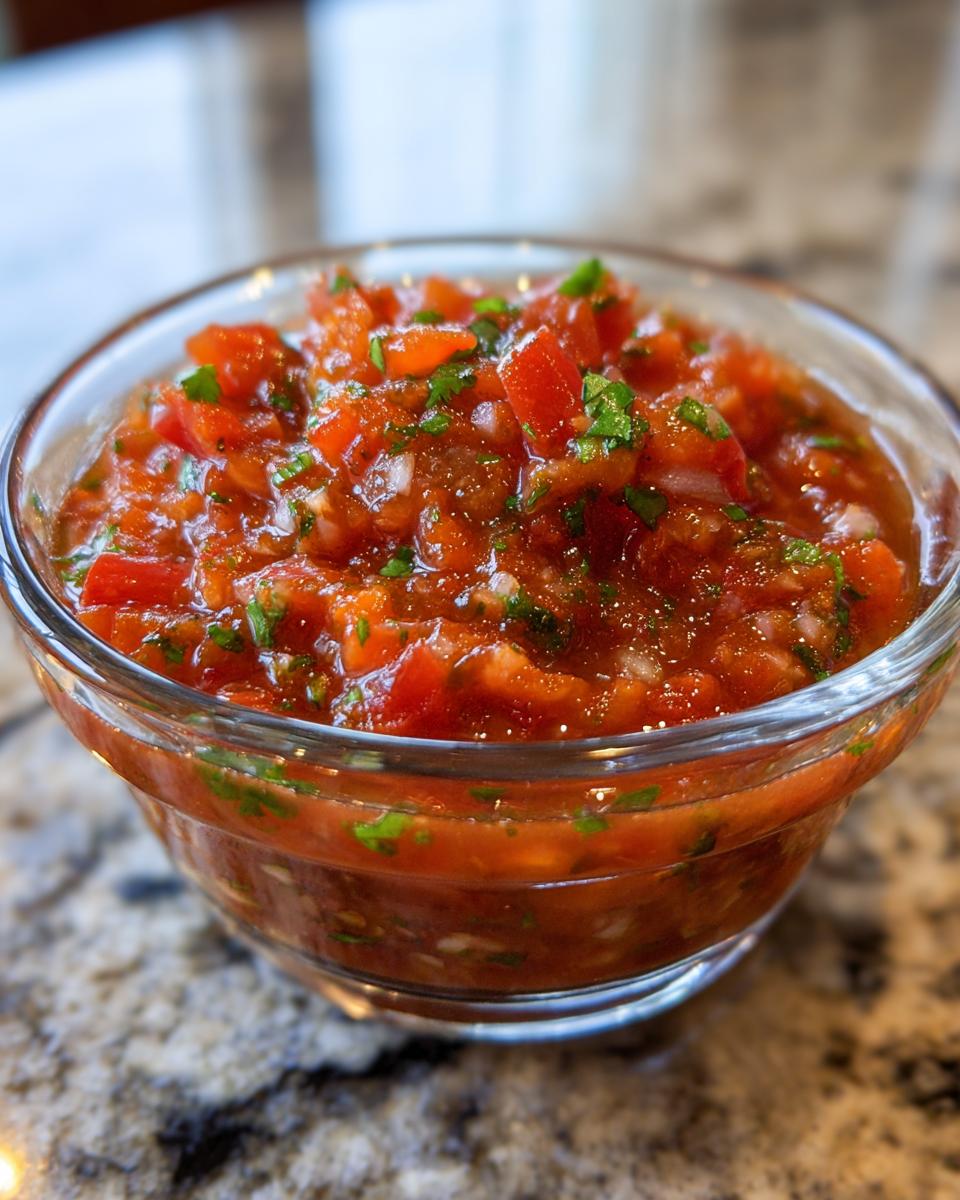
Here are a few ways my family uses up the leftovers (if there are any!) before the flavor fades:
- Topping Tacos and Burritos: Forget the sad little lettuce garnish. A big spoonful of this spicy blend on your fish tacos or ground beef burritos kicks everything up ten notches. The coolness of the fresh cilantro and onion really shines through against the warm meat.
- Scrambled Eggs or Omelets: Yep, breakfast salsa! Whisk a spoonful right into your eggs before scrambling, or dollop it right on top of a fluffy omelet instead of hot sauce. It adds a fantastic, bright flavor profile early in the day.
- Enhancing Grilled Meats: This is my secret weapon when grilling chicken breast or pork chops. Marinate the meat simply, and then use this salsa as a fresh, tangy topping when serving. It’s way lighter than a heavy barbecue sauce.
- Mixed into Sour Cream or Greek Yogurt: If you need a milder dip for veggies or something to drizzle over baked potatoes, mix half a cup of this Spicy Restaurant Style Salsa into a cup of sour cream or plain Greek yogurt. It makes the most amazing, tangy sauce!
And hey, if you’re whipping the salsa up, chances are you’re making more than just chips and salsa for an appetizer spread. If you need a fantastic pairing drink, seriously grab the limes and check out my guide on making the perfect margarita. A well-made, tart margarita is the ultimate partner for a spicy snack like this. The best margaritas always start with fresh ingredients, so you’re already halfway there!
Frequently Asked Questions About Making Spicy Restaurant Style Salsa
I get so many questions every time I post this recipe because everyone wants their own perfect version of restaurant style salsa! It’s all about tweaking those small details to match your personal spice tolerance and texture preference. Here are the most common things folks ask me when they’re trying to nail that authentic taste.
Can I make this Spicy Restaurant Style Salsa without a food processor?
Absolutely, yes! Don’t worry if you or your blender just isn’t cooperating today. You have options! The closest alternative is an immersion blender, but you still need to be careful not to over-process it, or you’ll end up with thin tomato soup. Pulse it in the jar you plan to store it in, keeping the blender head moving around so you don’t hit the same spot too long.
If you’re going totally old school, you can hand-chop everything! This method gives you the *most* texture, leaning closer to a pico de gallo, but trust me, it tastes amazing. Just dice your onion, garlic, and jalapeños quite finely. It takes longer, but you have total control. Remember, for true homemade salsa, some chunkiness is always a good thing!
How do I adjust the heat level of this restaurant style salsa?
Heat control is personal, and since this recipe calls for 1 to 2 jalapeños, you have a great starting point. If you want zero heat, you must remove the seeds and all the white pithy membrane inside the pepper. That white stuff holds most of the capsaicin, so taking it all out gives you just the pepper flavor without the burn.
If you want it hotter than Hades, leave half the seeds in, or swap the jalapeños entirely for something like a serrano pepper—just use cautiously! Serranos pack serious heat compared to jalapeños. Also, don’t forget that fresh garlic adds a bit of a spicy background kick, so the more raw garlic you use, the sharper the overall effect will be.
Why is my salsa a little watery after blending?
This usually happens for two reasons, and both are fixable! First, did you drain your canned tomatoes? You shouldn’t have! If you used undrained, you’re fine. If you accidentally drained them, you can fix it by adding a little more drained Rotel or a splash of fresh tomato juice. Second, sometimes the fresh cilantro and onion release a lot more water than expected.
The best remedy for watery fresh salsa is chilling it, just like we talked about earlier. The refrigeration actually helps the suspended solids settle a bit. If it’s still too thin after chilling for a few hours, don’t add more dry spices or it will become muddy tasting. Instead, pulse in a quarter cup of drained, canned corn or maybe a few more raw, finely chopped onions to bulk it up slightly!
Can I use different types of canned tomatoes?
You certainly can, but know that you are shifting the flavor profile! If you want the standard, bright, slightly acidic snap that defines classic restaurant style salsa, stick to regular diced tomatoes. If you use fire-roasted or stewed tomatoes, the flavor gets much deeper and smoky. It’s delicious, but it’s a different style!
I recommend keeping the base simple with Diced Tomatoes and Rotel for consistency. If you want to add smokiness, try adding a quarter teaspoon of high-quality smoked paprika right along with the cumin for a much more controlled flavor adjustment without changing the texture of the final product.
Estimated Nutritional Data for Spicy Restaurant Style Salsa
Now, I have to be totally upfront with you—this data is an *estimate*. I mean, I’m not running a certified lab here, right? This is just me plugging the standard measurements of canned tomatoes, onions, and spices into a basic analyzer. So take these numbers with a grain of salt, just like you might do with the actual salsa!
Since most of us eat this stuff by the bowlful with chips, I based the serving size on that standard 1/4 cup measurement listed on the data sheet. This Spicy Restaurant Style Salsa is fantastically light, which is part of why I love making it. It’s virtually fat-free, which is amazing!
Here’s the general breakdown for a 1/4 cup serving:
- Calories: About 25—that’s barely anything!
- Fat: Zero grams. Yep, it’s a lean machine!
- Sodium: Around 180mg. This is mostly coming from the canned tomatoes and your added salt, so if you are watching sodium, definitely cut back on the added salt and check the Rotel label.
- Carbohydrates: About 5 grams, mostly small amounts from the vegetables and a tiny bit of sugar (around 3 grams).
- Protein: Just 1 gram, so don’t count on this for your main protein source, ha!
See? That’s why this homemade salsa is my favorite healthy-ish snack. It packs huge flavor for very few calories, unlike those heavy, creamy dips. It’s pure veggie power, just blitzed up!
Share Your Homemade Spicy Restaurant Style Salsa Creations
Alright, you’ve blended, you’ve chilled, and I hope you’ve got a massive pile of tortilla chips sitting right next to your container of beautiful, vibrant Spicy Restaurant Style Salsa!
Seriously, seeing all of your kitchen triumphs is my absolute favorite part of blogging. I pour my heart into testing these recipes so they work perfectly on your dining room table, and I crave hearing about *your* experience. Did you go all-out with the jalapeños? Did you try it on tacos like I suggested?
Please, please, please leave a comment below! Let me know how quickly your batch disappeared. Was it as good as your favorite takeout spot? A rating is fantastic because it helps other people see that this recipe is the real deal for authentic flavor. And if you snapped a picture of that gorgeous, chunky texture, I’d love to see it over on social media—tag me so I can cheer you on!
There’s nothing better than sharing the joy of easy, bold, delicious food, and this restaurant style salsa is one of my proudest achievements in the kitchen. Happy dipping, everyone!
Print
Spicy Restaurant Style Salsa
- Total Time: 10 min
- Yield: About 3 cups 1x
- Diet: Vegetarian
Description
A recipe for making a spicy salsa similar to what you find in Mexican restaurants.
Ingredients
- 1 (14.5 ounce) can diced tomatoes, undrained
- 1 (10 ounce) can Rotel (diced tomatoes and green chilies), undrained
- 1/2 cup chopped white onion
- 1/2 cup chopped fresh cilantro
- 1–2 jalapeños, seeded and roughly chopped (use more for extra heat)
- 2 cloves garlic
- 1 teaspoon ground cumin
- 1/2 teaspoon salt
- 1/4 teaspoon black pepper
- 1 tablespoon lime juice
Instructions
- Place the diced tomatoes, Rotel, white onion, cilantro, jalapeños, and garlic into a food processor or blender.
- Add the ground cumin, salt, black pepper, and lime juice to the mixture.
- Pulse the ingredients several times until the salsa reaches your desired consistency. Do not over-process; a slightly chunky texture is best for restaurant style.
- Taste the salsa and adjust salt or lime juice if needed.
- Transfer the salsa to an airtight container and refrigerate for at least 30 minutes before serving to allow the flavors to meld.
Notes
- For a smoother salsa, process the ingredients longer.
- If you prefer less heat, remove all seeds and white membranes from the jalapeños.
- This salsa tastes better after chilling for several hours.
- Prep Time: 10 min
- Cook Time: 0 min
- Category: Appetizer
- Method: Blending
- Cuisine: Mexican
Nutrition
- Serving Size: 1/4 cup
- Calories: 25
- Sugar: 3
- Sodium: 180
- Fat: 0
- Saturated Fat: 0
- Unsaturated Fat: 0
- Trans Fat: 0
- Carbohydrates: 5
- Fiber: 1
- Protein: 1
- Cholesterol: 0
Keywords: spicy salsa, restaurant style salsa, homemade salsa, Mexican dip, fresh salsa