
Oh, the panic! You’ve got this amazing stew simmering away, everything smells perfect, and then you reach into the pantry for the pearled barley—and it’s gone. Empty! Don’t you just hate that? I learned the hard way to always have a backup plan for those hearty grains. Last winter, I was making a massive batch of beef and barley soup for a neighborhood potluck and realized I was short by about two cups. Disaster averted! That day forced me to figure out my go-to swaps, so I could share the absolute Best Pearl Barley Substitute options with you. Trust me, having these grains ready means you never have to cancel dinner plans!
Why You Need the Best Pearl Barley Substitute
It happens to the best of us, right? You’re making that incredible mushroom soup or a big pot of something cozy, and the bag of barley is lighter than you thought. Or maybe you’ve discovered a new dietary preference you’re trying to stick to this week!
There are a few solid reasons why keeping a backup grain in mind is smart:
- You simply ran out right when you needed it most.
- You need a quicker cooking time because dinner just can’t wait 50 minutes!
- Someone helping with dinner has a sensitivity or allergy to wheat products.
- You want to try changing up the texture of a familiar dish just slightly.
Understanding Pearl Barley’s Role in Your Recipe
Before we start swapping, we have to know what barley is actually doing in there. Pearled barley isn’t just filler; it brings serious chew! It keeps its shape beautifully even after simmering for ages, which is why it’s amazing at providing that hearty, substantial bite. In soups and stews, it swells up and actually starts to work a little magic, thickening the broth slightly. We need swaps that can mimic that fantastic, dense texture, or else our dish just won’t feel right.

Top Contenders for Best Pearl Barley Substitute
Alright, let’s get down to business because when you need a swap fast, you need the absolute Best Pearl Barley Substitute options mapped out without hesitation. I’ve tested all of these head-to-head against barley in my favorite chicken and vegetable soup, and I have clear winners depending on what you prioritize: texture or speed. You’ll find that most one-for-one swaps work well in soups, but the final mouthfeel can be totally different if you pick the wrong grain. Ready to see the standouts?
Farro: The Closest Pearl Barley Substitute Match
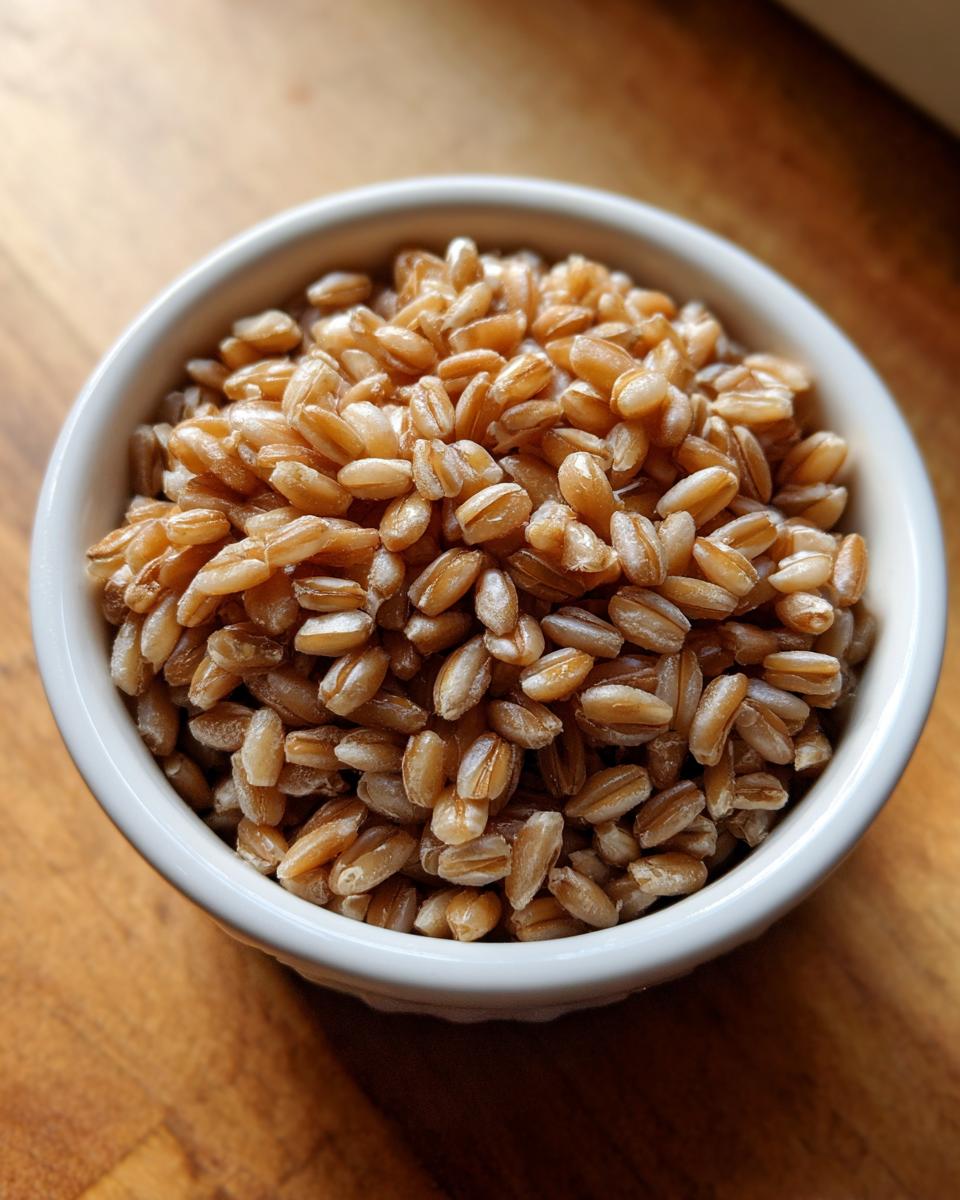
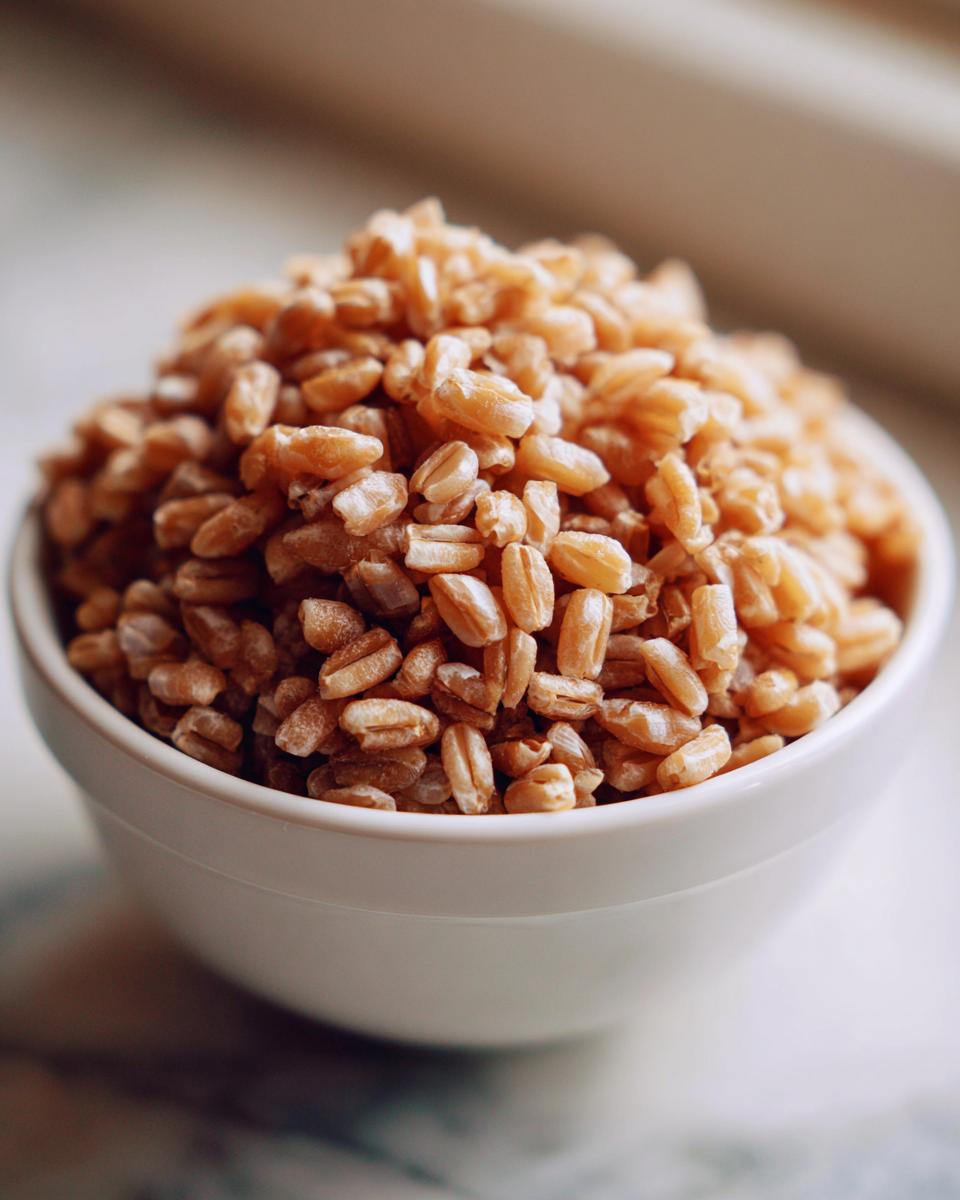
If you want something that behaves almost exactly like pearled barley, grab farro, seriously. Farro is an ancient wheat relative, so the chew factor is spot-on once it’s cooked. It maintains that lovely firmness that barley has, even after sitting in hot liquid for a while. The best part? A lot of the pearled varieties cook up in about 30 to 40 minutes, which isn’t drastically different from the 45 minutes barley usually demands. Just taste-test it closer to the 30-minute mark because it can sometimes finish a touch faster than you expect! This is my gold standard replacement.
Quinoa and Brown Rice as a Faster Pearl Barley Substitute
Sometimes you just don’t have 45 minutes! That’s where quinoa and brown rice come in handy as a faster Best Pearl Barley Substitute. Quinoa is the speed demon here; it’s usually done in about 15 minutes, which is fantastic if you’re in a hurry. But, and this is a big but, the texture is completely different. Quinoa is soft and slightly pop-y, and brown rice comes out creamy instead of chunky like barley. You can always use brown rice if you’re feeling patient, but know that it needs quite a bit more liquid than barley usually calls for, and cook time stretches past 40 minutes, too.
Other Grain Options: Wheat Berries and More for a Hearty Pearl Barley Substitute
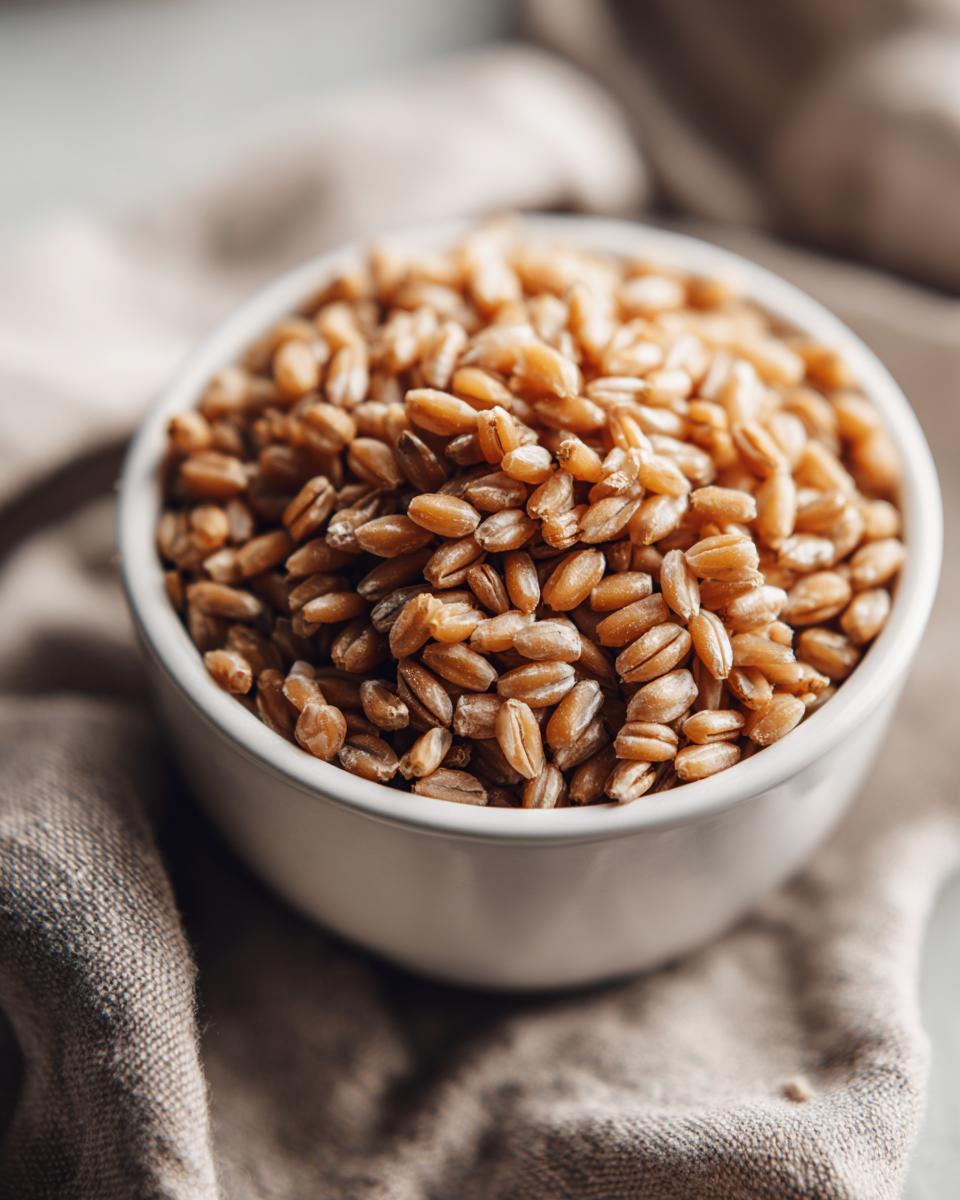
If you’re after that ultra-hearty, almost toothsome feel, you really should look at wheat berries. They are the entire wheat kernel, so they take the longest to cook—maybe even an hour or more if they aren’t pre-soaked. They offer great bulk! For a wild card, sometimes I toss in some brown or green lentils if my barley ratio is low, especially if I’m making a very rustic lentil and grain dish. Lentils cook fast, so you’ll add those in only during the last 20 minutes so they don’t turn to mush. It’s a different vibe, but so satisfying!
Substitution Guidelines: How to Use Your Best Pearl Barley Substitute
Knowing which grain to grab is one thing, but knowing how much to actually use is where the real success lies! When you’re subbing out pearled barley, especially in your favorite soup or stew recipe, it’s usually a pretty straightforward swap. This is probably the easiest technique you’ll use all week when searching for the Best Pearl Barley Substitute. Just remember, volume is your friend here.
Determining the Right Ratio for Your Pearl Barley Substitute
Here’s the golden rule I always fall back on: go for a 1:1 volume replacement. If your recipe called for one cup of pearled barley, use one cup of farro or brown rice instead. It’s that simple for bulking up savory dishes. This works almost every time because the main job of the barley here is adding bulk and soaking up the broth flavor, and most common grains do that job readily at equal measure.
Crucial Cooking Time Adjustments for Your Pearl Barley Substitute
This is the step where you really can’t just wing it! Barley is a marathon runner, taking close to an hour sometimes. If you use a speedy grain like quinoa—and you can find a great recipe for homemade quinoa milk, by the way—you absolutely cannot cook it for 45 minutes. Check on those quicker grains after about 15 to 20 minutes. You’ll need to learn the specific cooking requirements for whatever grain you choose to succeed with your Best Pearl Barley Substitute!
Ingredient Notes for the Best Pearl Barley Substitute
It’s not enough just to swap the bulk; you need to know how those ingredients behave! The notes I keep tacked above my stove tell the real story when I’m looking for the Best Pearl Barley Substitute. For example, if you opt for farro, you get that amazing chew, but watch out: it finishes cooking very similarly to barley, so don’t rush it completely!
Now, if you are using brown rice instead of barley, you absolutely must remember to add a little extra water or broth to your pot. Rice tends to soak up liquid faster than barley does, and we certainly don’t want a dry stew situation! Quinoa needs very little extra fuss, happily cooking up in its water. Really understanding these little quirks is what makes the difference between a decent meal and an absolutely fantastic one when you rely on a grain replacement.
Tips for Perfecting Your Pearl Barley Substitute
Okay, once you’ve picked your grain, you need to treat it right to make sure it’s the Best Pearl Barley Substitute possible. My biggest piece of advice, especially if you are using farro or wheat berries, is to consider a quick pre-soak. Not soaking them will add about 20 minutes to your cooking time, and nobody wants that stress halfway through making dinner, right?
I soak mine for just 30 minutes in warm water while I’m chopping vegetables. When it comes time to test for doneness, forget the toothpick test you use for cake! Different grains have different ideal doneness levels. For farro or wheat berries, you want that satisfying resistance when you bite down—slightly firm but yielding. If you’re using rice or quinoa, taste a few grains right near the edge of the pot. Getting that texture dialed in is key to making your chosen replacement feel intentional, not like an afterthought!
Troubleshooting Common Issues When Using a Pearl Barley Substitute
Even with the best intentions, sometimes a grain swap goes a little sideways, which is totally normal when you’re experimenting to find the Best Pearl Barley Substitute! I’ve woken up a few times to a stew where the grain turned to mush because I wasn’t paying attention, or conversely, found the wheat berries still rock-hard even after an hour.
If your substitute grain, like rice, seems to be drinking up all the liquid too fast and your soup is suddenly more of a paste, don’t panic! Just add about half a cup of hot water or broth at a time until you get that nice simmering consistency back. On the flip side, if you taste your farro and it’s still too hard, just add a splash more liquid, cover it back up, and let it simmer gently for another 10 minutes. Remember, adjusting the liquid is one of the easiest fixes when you’re troubleshooting any Best Pearl Barley Substitute!
Storage and Make-Ahead Tips for Your Grain Replacement
One of the great things about using grains like farro or even cooked rice as a barley replacement is that they are fantastic for make-ahead meals! I often cook a big batch of whatever my Best Pearl Barley Substitute is on Sunday, just so I can toss it into quick lunches later in the week. When storing cooked grains, you want them in an airtight container in the fridge, and they should stay tasty for about four or five days.
If you freeze them, just be sure to add an extra splash of water when you reheat them; grains tend to dry out a bit in the freezer. It saves so much time when you realize you forgot to buy barley!
Frequently Asked Questions About Barley Replacement
I know you’ve got questions bubbling up! Dealing with grain substitutions can feel a little tricky, but honestly, it’s mostly about texture matching. I’ve gathered the most common queries people have about finding the Best Pearl Barley Substitute so we can get you cooking with confidence!
Is farro truly the best pearl barley substitute?
For sheer texture, yes, I really think it is! If you want that hearty, slightly chewy density that holds up in a long-simmering soup, farro mimics pearled barley better than almost anything else. It’s my first grab when I’m out of barley. Just remember that if you use pearled farro, it cooks faster than hulled farro, so always taste-test!
Can I use regular brown rice as a barley replacement?
Sure you can! It’s a very common barley replacement, especially if you need a gluten-free option. But you have to adjust your expectations! Brown rice ends up softer and creamier than the firm chew of barley. Because it absorbs liquid differently, you might need to sneak in a little extra broth during cooking, especially if you’re making a thick dish. Think of it as making a rice pilaf base instead of a chunky grain accent.
Do I need to soak any pearl barley substitute before cooking?
That really depends on the grain you choose! If you’re using quick-cooking stuff like quinoa, absolutely not—it cooks fast anyway. But if you go with wheat berries or even whole grain farro, a quick pre-soak overnight or even for just an hour cuts down on that hour-plus cooking time significantly. It softens them up so they cook evenly in your stew without turning the whole pot into a pressure cooker. It’s worth the five minutes of effort up front!
If you’re whipping up a quick drink to sip while you wait for those grains, you might want to try a classic Arnold Palmer!
Nutritional Comparison: Pearl Barley vs. Best Pearl Barley Substitute Options
Okay, so if you’re trying to keep track of macros while you hunt for the Best Pearl Barley Substitute, it’s good to know that swapping grains changes things slightly! We focused on volume, but nutritionally, substituting quinoa or farro for barley means you might see a small bump in protein or fiber, depending on which one you grab. For example, the rough estimate for a serving of barley is around 5 grams of protein and 3 grams of fiber, but that can shift depending on the grain.
Please remember that these numbers are just a baseline estimate. The exact profile you get depends entirely on the specific grain you choose to make your substitution!
Print
Simple Pearled Barley Substitute Guide
- Total Time: 50 min
- Yield: 1 cup dry grain 1x
- Diet: Vegetarian
Description
A guide to common substitutes for pearled barley in recipes.
Ingredients
- 1 cup pearled barley (for reference)
- 1 cup substitute grain (e.g., farro, brown rice, quinoa)
Instructions
- Determine the role of pearled barley in your recipe (texture, bulk, or flavor).
- Select a substitute based on the required cooking time and texture.
- If substituting in soups or stews, use a 1:1 volume replacement.
- Adjust cooking time according to the substitute grain’s requirements.
- For chewy texture, consider farro or wheat berries.
- For a quicker cook time, use quinoa or brown rice.
Notes
- Farro is the closest substitute in texture and cooking time.
- Quinoa cooks much faster than barley.
- If using brown rice, you may need to increase liquid slightly.
- Prep Time: 5 min
- Cook Time: 45 min
- Category: Reference
- Method: Substitution
- Cuisine: General
Nutrition
- Serving Size: 1/4 cup dry
- Calories: 150
- Sugar: 0g
- Sodium: 0mg
- Fat: 1g
- Saturated Fat: 0g
- Unsaturated Fat: 1g
- Trans Fat: 0g
- Carbohydrates: 32g
- Fiber: 3g
- Protein: 5g
- Cholesterol: 0mg
Keywords: pearled barley substitute, barley replacement, farro substitute, grain substitution, cooking alternatives