Ever stood in the store, squinting at the fizzy drink aisle, wondering what the *real* difference is between ginger ale and ginger beer? Me too! It’s a question I’ve pondered more times than I can count, especially when I’m trying to whip up a specific cocktail or just grab something refreshing. While they both have that lovely ginger kick, these two bubbly beverages are actually quite different! We’re going to dive deep into the world of ginger ale vs. ginger beer today, looking at everything from how they’re made to just how much ginger you’re actually getting. Trust me, understanding these easy distinctions can really change your drink game!
Ginger Ale vs. Ginger Beer: Understanding the Core Differences
So, what’s really going on with ginger ale versus ginger beer? Think of it like this: ginger ale is like the friendly acquaintance who gives you a gentle nod, while ginger beer is the one with the bold personality who gives you a firm handshake. It all comes down to how they’re made and what goes into them! The biggest differences you’ll notice right away are how they taste and how fizzy they are. Even though both have ‘ginger’ in their name, the intensity of that ginger flavor and the way the bubbles tickle your tongue are worlds apart. It’s fascinating how a few tweaks in the kitchen, or rather, the brewery, can create such distinct characters!

Flavor Profile: Mild vs. Bold Ginger
When you sip on ginger ale, you get this lovely, sweet hint of ginger. It’s usually made with ginger flavoring, so it’s super smooth and approachable. Perfect if you’re not a huge fan of anything too punchy. Now, ginger beer? Oh boy, that’s a different story! Because it’s brewed with actual ginger root and goes through fermentation, it packs a much bigger ginger punch. It’s spicier, more complex, and honestly, sometimes it has this really cool, slightly tangy or fermented undertone that just makes it sing. It’s definitely for those who crave that real ginger zing!
Carbonation Levels: Light Fizz vs. Intense Effervescence
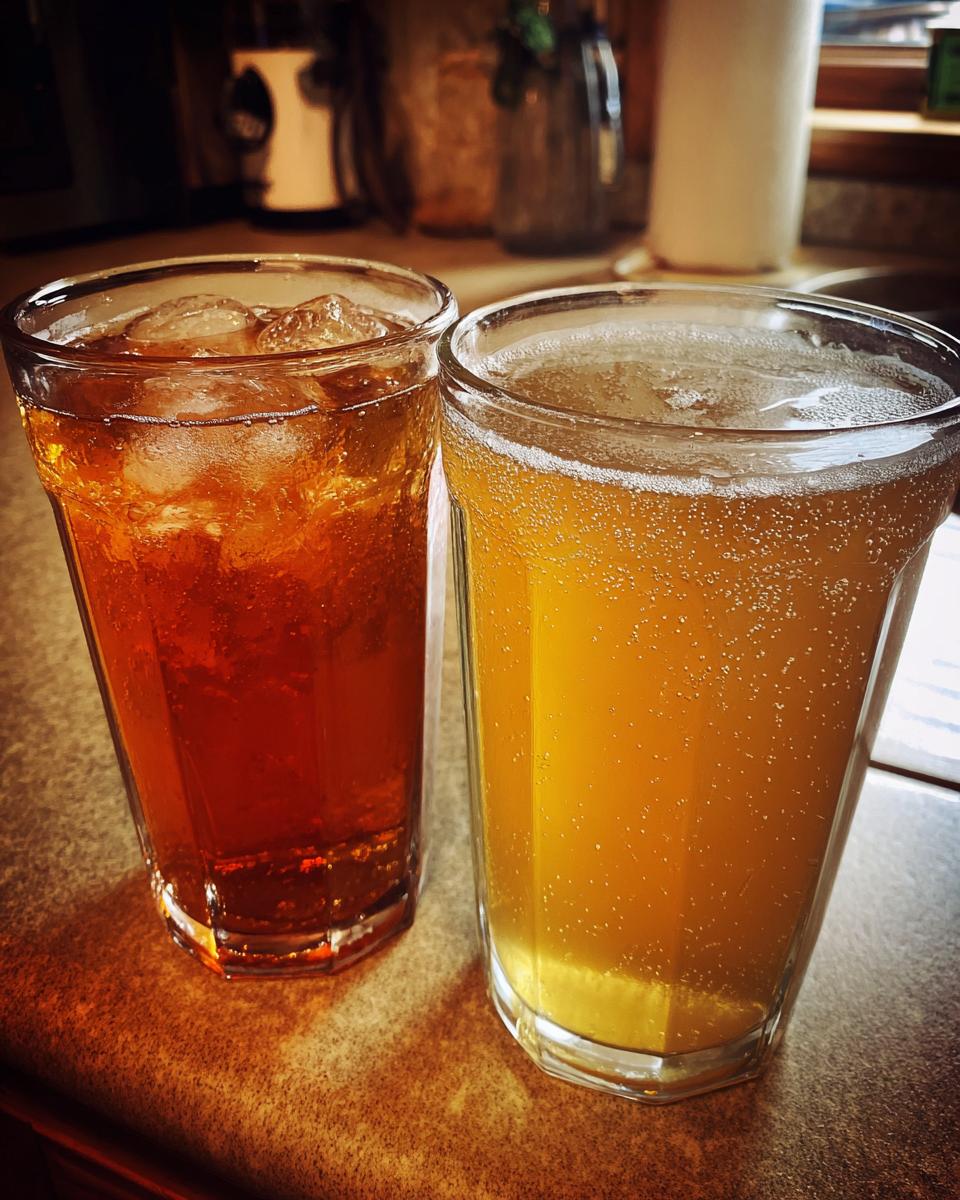
Let’s talk bubbles! Ginger ale typically gets its fizz from being injected with carbon dioxide, much like soda. This gives it a nice, steady, and usually lighter carbonation. You know, the kind that makes for a pleasant sip without being overwhelming. Ginger beer, on the other hand, often gets its carbonation naturally from the fermentation process. This means you can expect a more vigorous, lively fizzing action. Sometimes it’s so bubbly it feels like it’s really dancing in your glass! It’s this intense effervescence that often makes ginger beer feel so special and robust.
The Brewing Process: How Ginger Ale Vs Ginger Beer Are Made
Alright, let’s get down to the nitty-gritty of how these two ginger drinks are actually made, because this is where the magic – and the main difference between ginger ale vs ginger beer – really happens. Think of ginger ale as the quick-and-easy version. Most of the time, what you’re getting is basically flavored soda water. They take carbonated water, add some sugar (or a sweetener), and then pop in ginger flavoring. It’s a pretty straightforward process, no funny business with yeast or long waits involved. This is why it has that predictable mildness. Ginger beer, though? That’s where things get interesting and a bit more artisanal! Traditionally, ginger beer is brewed, not just mixed. This usually involves real ginger root, sugar, and yeast, and it goes through a brewing and fermentation process. It’s kind of like making a very low-alcohol beer, but for sipping! This natural fermentation is what gives it that zingy flavor and all those lively bubbles we love. So, while most ginger beer you buy today is non-alcoholic, that old-school brewing method can sometimes leave a tiny, tiny whisper of alcohol behind. Pretty neat, huh?
Ginger Ale Production: Flavoring and Carbonation
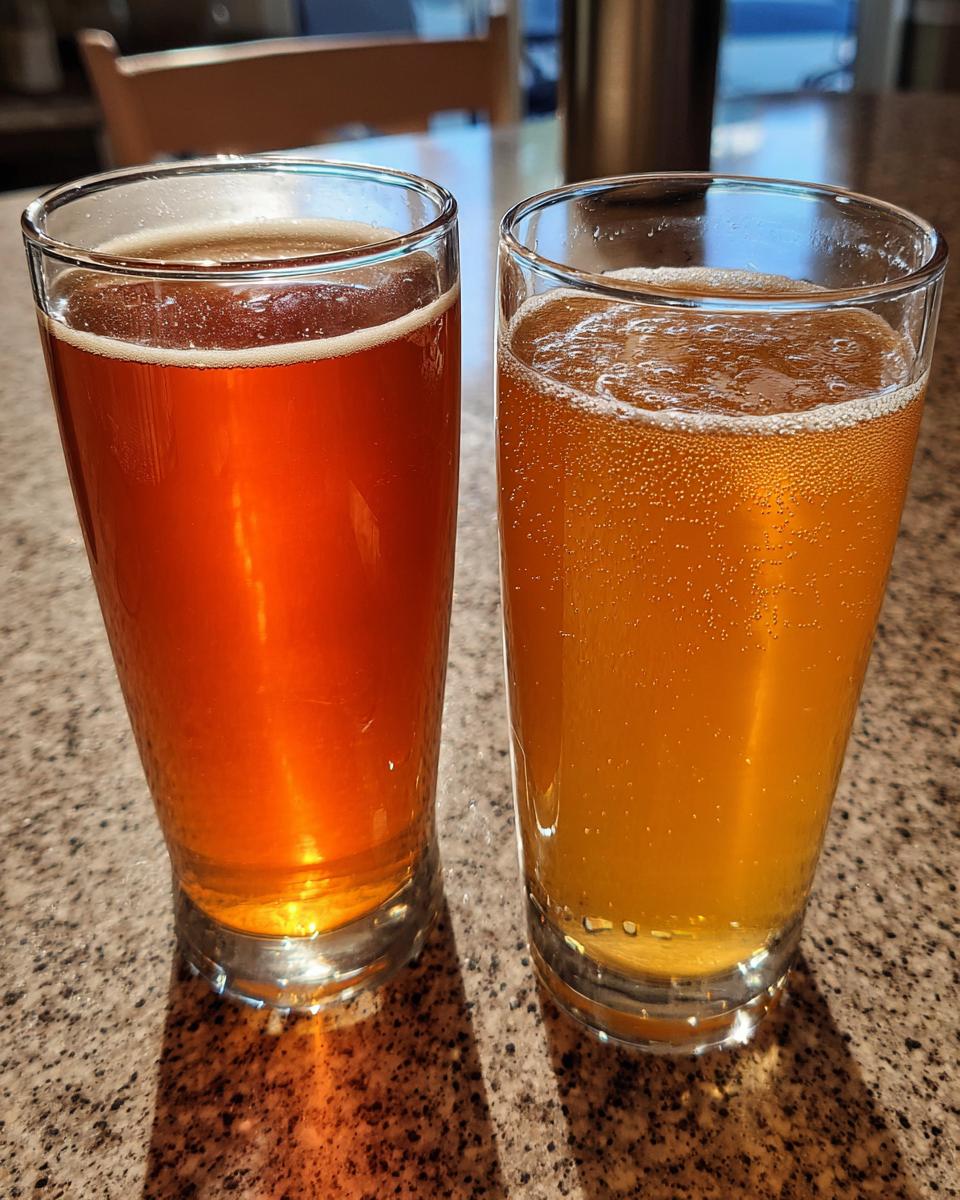
So, with ginger ale, the process relies a lot on creating that specific flavor profile without the fuss of fermentation. Manufacturers usually combine purified water with carbon dioxide to get that bubbly base – that’s your carbonation. Then, they add sugar or sweeteners to make it sweet, and here’s the key part: they use ginger flavoring. This can be natural or artificial, but it’s essentially added to mimic that ginger taste. Often, they’ll throw in some citric acid for a bit of tartness and a preservative like sodium benzoate to keep it fresh on the shelf. It’s a quick, controlled way to get a consistent, mild ginger drink every single time.
Ginger Beer Brewing: The Art of Fermentation
Now, ginger beer is where things get a bit more rustic and exciting! The old-school way of making ginger beer is all about fermentation. You start with water, sugar, and heaps of real ginger – like, actual chunks of ginger root! Then, you add yeast. This little guy gets to work, munching on the sugar and creating both carbon dioxide (hello, bubbles!) and a tiny bit of alcohol as a byproduct. They might also add a splash of lemon juice for extra tang. This whole brewing and fermenting gig can take days! It’s this natural jazz that gives ginger beer its strong, spicy flavor that really wakes up your taste buds. While most of the stuff you find in supermarkets today is non-alcoholic, if you ever get into homebrewing, you might end up with a very small percentage of alcohol, which is kind of cool to think about!
Ingredient Breakdown: What’s Really in Your Ginger Ale Vs Ginger Beer?
Okay, so let’s peek behind the label and see what’s actually going on in your glass when you’re choosing between ginger ale and ginger beer. For me, knowing the ingredients makes all the difference, especially when I’m trying to figure out which one will be best for a recipe or just for sipping! It’s these small differences in what goes into them that explain why ginger ale vs ginger beer taste so darn different. It really breaks down to the core components they use, and honestly, it’s pretty fascinating to see how simple things create such distinct drinks.
Common Ingredients in Ginger Ale
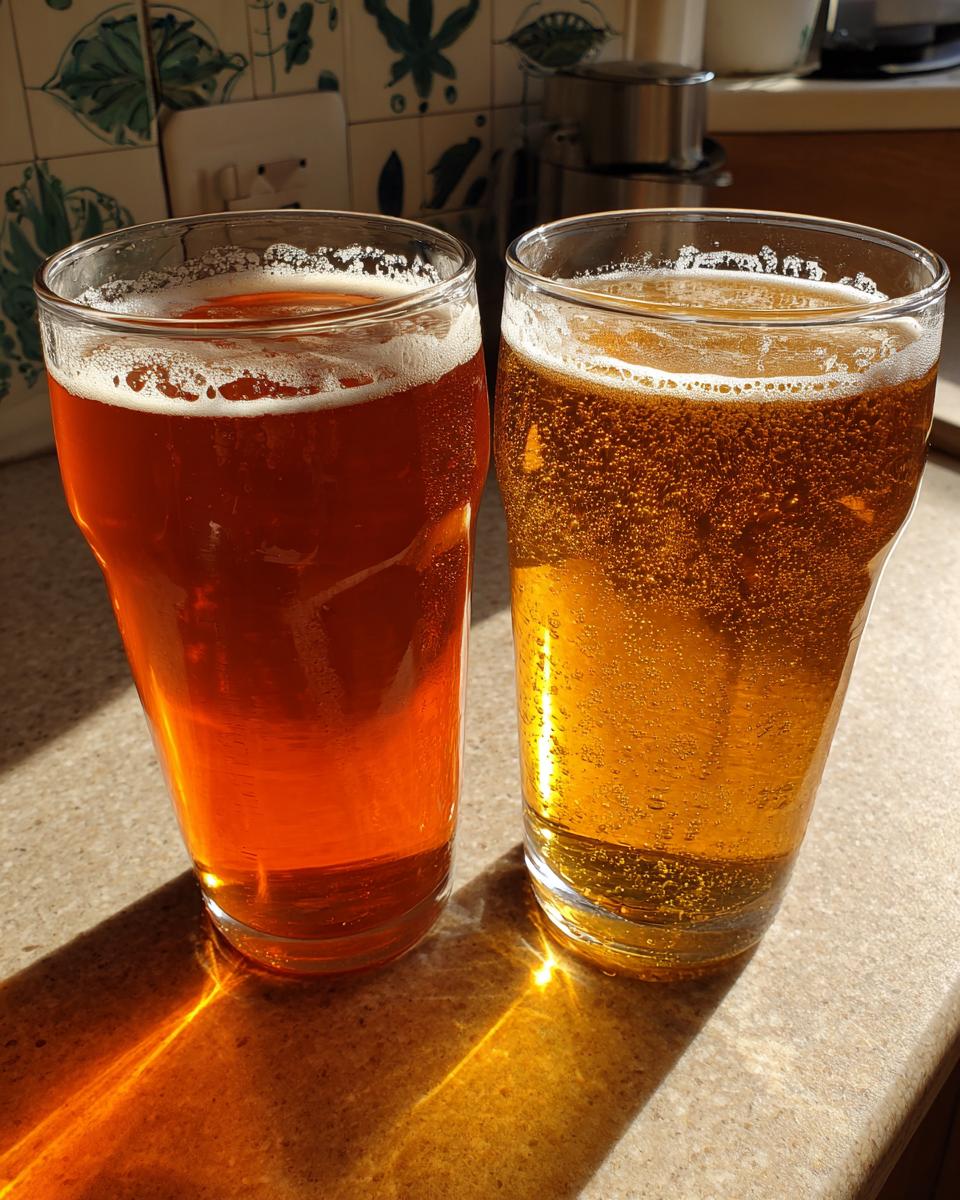
When you grab a bottle of ginger ale, you’re typically looking at a base of carbonated water, which gives it all those lovely bubbles. Then there’s sugar or some kind of sweetener to make it nice and sweet. The “ginger” part usually comes from ginger flavoring, which is more of a hint than a full-on punch. You’ll often find citric acid thrown in for a little zing, and some preservatives like sodium benzoate to keep it tasting fresh, no matter how long it sits on the shelf!
Typical Ingredients for Ginger Beer
Ginger beer is where the action really is! The star here is real ginger. We’re talking actual ginger root, not just flavoring. It’s combined with water, sugar, and crucially, yeast. That yeast is what makes all the magic happen through fermentation. Sometimes you’ll find ingredients like lemon juice in there for an extra little kick. It’s these simple, fundamental ingredients that give ginger beer its signature spicy bite and lively character.
Culinary Uses: How to Use Ginger Ale Vs Ginger Beer
So, what do you do with all these fizzy ginger drinks once you pick them out? The uses for ginger ale vs ginger beer can be pretty different, and honestly, I love them both for different reasons! For me, there’s nothing quite like grabbing a cold bottle of ginger ale on a hot day – it’s just SO refreshing and doesn’t usually upset my stomach if I’m feeling a little off. But when I’m looking to spice up a cocktail or really get a flavor kick, ginger beer is my go-to. Understanding how each one shines can really elevate your drink-making game, and maybe even your cooking too!
Ginger Ale: A Versatile Mixer and Refreshment
Ginger ale is like the reliable friend in your drink arsenal. It’s super versatile! I often reach for it when I’m making cocktails because its milder ginger flavor and sweetness won’t overpower other ingredients. Plus, let’s be honest, when my tummy feels a bit wonky, a glass of ginger ale is my secret weapon for feeling better. It’s just easy drinking, whether you’re having it straight up or mixing it into something a little more fun. It’s even a great base for drinks like a classic Hennessy Hurricane, adding just the right amount of sweetness!
Ginger Beer: The Bold Choice for Cocktails and More
Now, ginger beer is where things get really interesting flavor-wise! That spicy, bold ginger punch is absolutely *perfect* for cocktails that need a kick. Seriously, my favorite Moscow Mule just isn’t the same without a good, spicy ginger beer. You can check out how I make a fantastic Spicy Moscow Mule here! Or for a classic, you can’t beat a Dark ‘n’ Stormy. Its robust flavor isn’t just for these famous drinks, though. I’ve even used it in marinades for chicken or pork – it adds this amazing depth and tenderness. If you’re looking for a serious ginger hit, this is your guy!
Nutritional Snapshot: Comparing Ginger Ale Vs Ginger Beer
So, we’ve talked taste, we’ve talked how they’re made, but what about what’s actually in them nutritionally? When you’re comparing ginger ale vs ginger beer, it’s good to have a general idea of the numbers. Now, keep in mind these are just estimates, because every brand does its own thing with sugar and ingredients, but it gives you a ballpark! It’s always a good idea to check the label if you’re really curious about specific brands.
Estimated Nutritional Values
For a standard 8-ounce serving, you’re generally looking at around 100 calories. Sugar is usually the big player here, often around 25 grams, which is pretty typical for most sweetened beverages. You’ll find very little sodium, usually just about 10mg, and thankfully, virtually no fat (0g), saturated fat, or trans fat. And that’s about it for carbs, also hovering around 25g, with no fiber or protein to speak of. So, when it comes down to it, both are best enjoyed in moderation!
Frequently Asked Questions about Ginger Ale vs. Ginger Beer
You’ve got questions, and I’ve got answers! Navigating the world of ginger ale vs. ginger beer can sometimes feel like a puzzle, especially when you’re just trying to figure out what to grab for your next drink or recipe. Don’t worry, it’s totally normal to wonder about these things! We’ll clear up some of the most common curiosities floating around.
Does Ginger Beer Contain Alcohol?
This is a super common question, and it makes sense because of how ginger beer is made! Traditionally, ginger beer is brewed with yeast, and that fermentation process *can* create trace amounts of alcohol. However, the vast majority of ginger beers you’ll find in stores today are specifically made to be non-alcoholic. So while it’s technically possible for some to have a tiny bit, you’re usually safe! Still, if you’re really concerned, just give the label a quick peek.
Is Ginger Ale or Ginger Beer Healthier?
Honestly, both ginger ale and ginger beer are best enjoyed as treats rather than everyday staples, mainly because of the sugar content. But if we’re comparing, ginger beer *might* get a slight edge. Why? Because it uses real ginger and fermentation, which some folks believe offer a few mild benefits. Plus, it often has that more intense ginger flavor without needing as much added sugar as some super-sweet ginger ales do. Ginger ale, though, is usually milder, which can be kinder on a sensitive stomach!
Which is Sweeter: Ginger Ale or Ginger Beer?
This one can really vary a LOT depending on the brand you pick up! Some ginger ales are incredibly sweet, almost like a simple syrup with a ginger whisper. Others are much drier. Ginger beer can also range from quite sweet to surprisingly tart and spicy. Generally speaking, though, I find that ginger ale often leans sweeter because it relies more heavily on added flavorings and sugar to get that characteristic taste. The spicy kick in ginger beer often balances out its sweetness, making it feel less sugary, even if the sugar content is similar.
Making Your Choice: Ginger Ale Vs Ginger Beer for Your Needs
So, after all this talk about ginger ale vs ginger beer, what’s the final verdict? Honestly, it really boils down to what you’re looking for! If you want that easygoing, mild sweetness with a hint of ginger, and maybe something to soothe a tummy ache or just a simple, clean refresher, then ginger ale is probably your best bet. But if you’re craving that bold, spicy kick, a more complex flavor, and a lively fizz that’s fantastic in cocktails or straight up – that’s where ginger beer shines. Me? I’m a bit of a chameleon. For a classic Moscow Mule, it *has* to be ginger beer. But if I’m feeling a bit under the weather or just want something super light, a chilled ginger ale wins every time. My best advice? Try both in different situations! For more drink inspiration, check out this ultimate list of cocktail recipes and see if you want to experiment with either ginger ale or ginger beer!
Print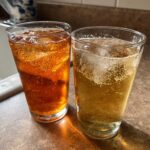
Ginger Ale vs. Ginger Beer
- Total Time: 0 min
- Yield: N/A
- Diet: Vegetarian
Description
A comparison of ginger ale and ginger beer, highlighting their differences in flavor, carbonation, and ingredients.
Ingredients
- Ginger ale: Carbonated water, sugar, ginger flavoring, citric acid, sodium benzoate
- Ginger beer: Water, ginger, sugar, yeast, lemon juice
Instructions
- Ginger ale is typically made with carbonated water and ginger flavoring, resulting in a milder ginger taste and less carbonation.
- Ginger beer is traditionally brewed with real ginger, sugar, and yeast, undergoing a fermentation process that creates a spicier, more robust ginger flavor and higher carbonation.
- The brewing process for ginger beer can also result in trace amounts of alcohol, though most commercial varieties are non-alcoholic.
- Ginger ale is often used as a mixer for cocktails or enjoyed on its own for a refreshing drink.
- Ginger beer’s intense flavor makes it a popular choice for cocktails like the Moscow Mule and Dark ‘n’ Stormy, and it can also be consumed as a standalone beverage.
Notes
- The fermentation process in ginger beer contributes to its distinct taste and effervescence.
- The level of sweetness can vary significantly between brands of both ginger ale and ginger beer.
- Always check the label for specific ingredients and alcohol content if that is a concern.
- Prep Time: 0 min
- Cook Time: 0 min
- Category: Beverage Comparison
- Method: N/A
- Cuisine: N/A
Nutrition
- Serving Size: 8 fl oz
- Calories: 100
- Sugar: 25g
- Sodium: 10mg
- Fat: 0g
- Saturated Fat: 0g
- Unsaturated Fat: 0g
- Trans Fat: 0g
- Carbohydrates: 25g
- Fiber: 0g
- Protein: 0g
- Cholesterol: 0mg
Keywords: ginger ale, ginger beer, difference, comparison, ingredients, flavor, carbonation, brewing, fermentation, non-alcoholic