There’s just something about a pop of the cork and the elegant rush of bubbles that screams celebration, right? And when it’s not just any bubbly, but a gorgeous rosy hue, the occasion feels even more special. I remember one New Year’s Eve, we splurged on a really exquisite bottle of rose champagne, and it completely transformed dessert. It wasn’t just a drink; it felt like the star of the show! That’s why I’m so excited to dive into the world of rose champagne with you all. It’s so much more than just pretty pink bubbly; it’s about finding that perfect bottle that adds that extra sparkle to your moments, big or small. This guide is all about helping you navigate the choices and find your own *Best Rose Champagne*, making every sip a delightful experience.

Understanding Rose Champagne: What Makes It Special?
So, what’s the big deal with rose champagne and why does it get that beautiful pink color? It’s actually pretty fascinating! Unlike some other rosés, true rose champagne gets its lovely hue through two main methods, and each one gives it a slightly different personality. The most common way is through maceration. This is where the grape skins of certain red grapes, like Pinot Noir or Pinot Meunier, are left in contact with the juice for a short period. It’s like steeping tea, you know? The longer they steep, the deeper the color and the more flavor you get. This method often gives the champagne a richer, fruitier profile with notes of red berries.
Then there’s the blending method, which is also allowed in Champagne, though it’s less common for rosé. This involves adding a small amount of red wine (usually red still wine from the same region) to the base white champagne wine. It’s a bit like adding a splash of color to a painting to get just the right shade. Blending can give you a more consistent color and a lighter, more delicate flavor. You’ll often find classic notes of strawberry, raspberry, and sometimes even hints of citrus or floral undertones. Trust me, learning how it’s made just makes it taste even better!
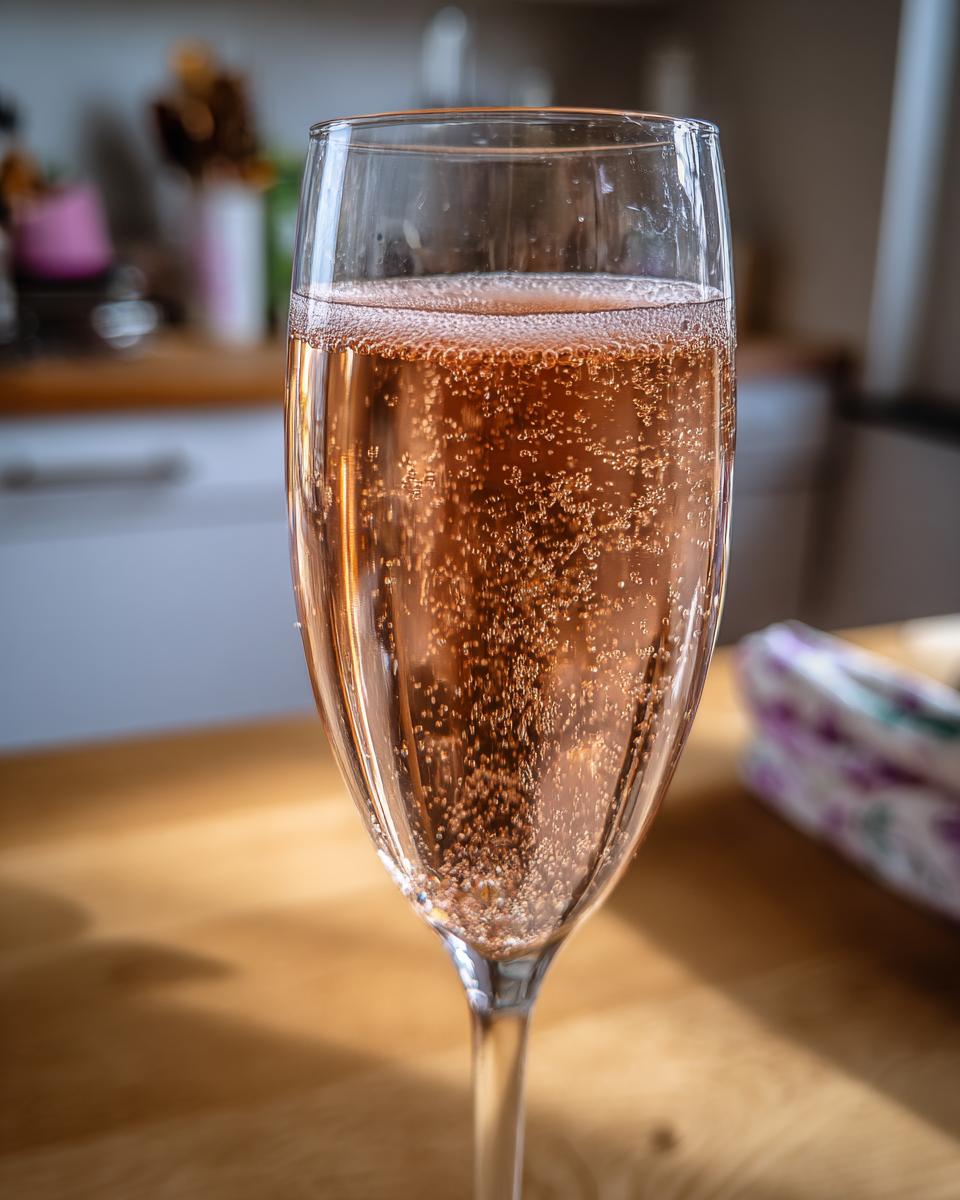
Honestly, whether it’s maceration or blending, the result is always a showstopper. It’s got that delightful effervescence you expect from champagne, but with an added layer of complexity and fruitiness that just sings. It really does make that Blushing Rose Champagne Elixir recipe extra special!
How to Choose the Best Rose Champagne
Okay, picking out the perfect bottle of rose champagne can feel a little intimidating, but trust me, it’s totally doable and even fun! Think of it like choosing something special from a whole lineup of potential stars for your next celebration. You want that *Best Rose Champagne* that really sings. We’re going to look at a few things that make a big difference, like where it’s from, what grapes went into it, how sweet it is, and even how much it costs. Don’t forget, this little Minted Pomegranate Champagne Kiss is a great way to start experimenting with different bubbly flavors!
Champagne vs. Other Sparkling Wines
First things first, there’s a bit of a naming game happening here. True “Champagne” *has* to come from the Champagne region of France. It’s like a protected name, you know? So, when you see “Champagne” on the label, it means it’s gone through some serious traditional methods right from that specific area. Other places make fantastic sparkling wines – Prosecco from Italy, Cava from Spain, or even sparkling wines from other parts of France or the good ol’ US of A. But if you’re craving that classic Champagne taste and prestige, you’ll want to stick with bottles that actually say “Champagne.” It carries a certain weight, a guarantee of quality that’s hard to beat, and it really impacts the whole experience.
Decoding Labels: What to Look For
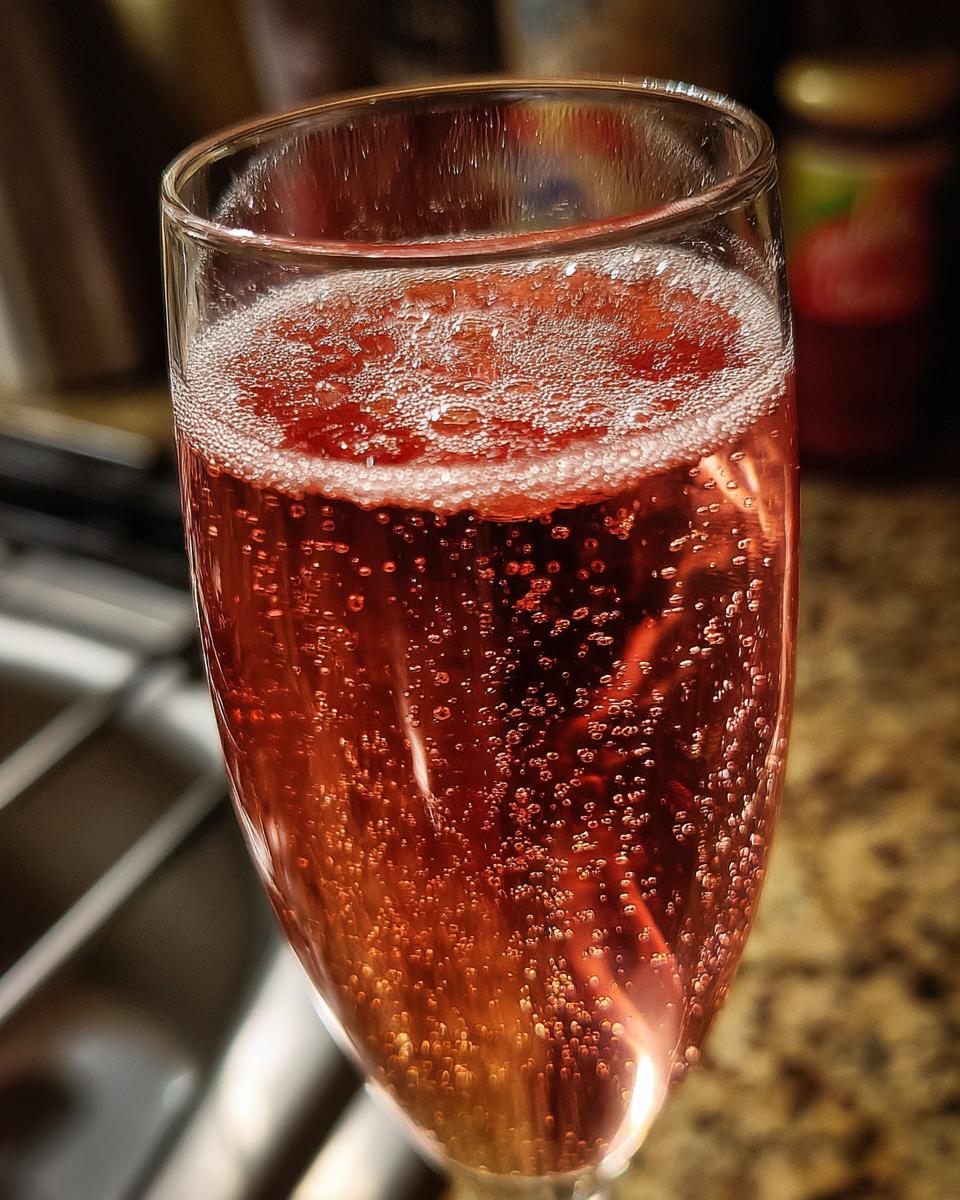
Alright, let’s get down to deciphering those fancy labels! It might look like a secret code, but once you know a few key terms, it’s a piece of cake. If you see “RM” (Récoltant Manipulant), that means the producer grew their own grapes, made the wine, and bottled it – talk about hands-on! “NM” (Négociant Manipulant) means they bought grapes from other growers to make their Champagne. It doesn’t mean it’s worse, just a different approach. Now, sweetness is super important! “Brut” is the most common and means it’s dry, but not *super* dry. “Extra Brut” is even drier, and “Demi-Sec” is a bit sweeter, which can be lovely with desserts. “Vintage” means all the grapes are from a single, specific year – those are usually for special occasions and can be pricier. Most producers bottle “Non-Vintage” champagnes, which are a blend of different years to maintain a consistent house style. So, when you spot these little clues, you can choose a bubbly that’s just right!
Serving and Enjoying Your Best Rose Champagne
Alright, you’ve picked out your *Best Rose Champagne*, and now comes the fun part – actually enjoying it! To really make that rosy bubbly sing, a few little tricks go a long way. It’s all about these small details that just elevate the whole experience, making it feel extra special. Whether it’s a big toast or just a quiet moment for yourself, serving it right makes all the difference. Think about how a perfectly chilled glass of anything tastes so much better – well, it’s the same for champagne! It really reminds me of when I’d make a quick easy classic champagne cocktail for guests; half the magic was just how perfectly it was presented!
The Perfect Chill and Pour
First off, the temperature is key. You want your rose champagne nice and chilled, usually between 45-50°F (7-10°C). The best way to get it there is in an ice bath – fill an ice bucket about halfway with ice, add some water, and let the bottle chill for about 20-30 minutes. Just popping it in the regular fridge for 15 minutes works in a pinch, but the ice bath cools it faster and more evenly. When it’s time to open it, be gentle! Hold the bottle at a 45-degree angle, loosen the wire cage (called a muselet) bit by bit, and then hold the cork firmly. Slowly twist the bottle, not the cork, until it just gives. You’re aiming for a gentle sigh, not a loud pop! Pouring is just as important. Angle your champagne flute slightly and fill it about two-thirds full. This helps keep those lovely bubbles intact. It always makes me giggle when I think about trying to open a bottle too fast and ending up with more on the ceiling than in the glass, it’s a funny story from when I first started trying my own sparkling champagne cocktails!
Glassware and Presentation
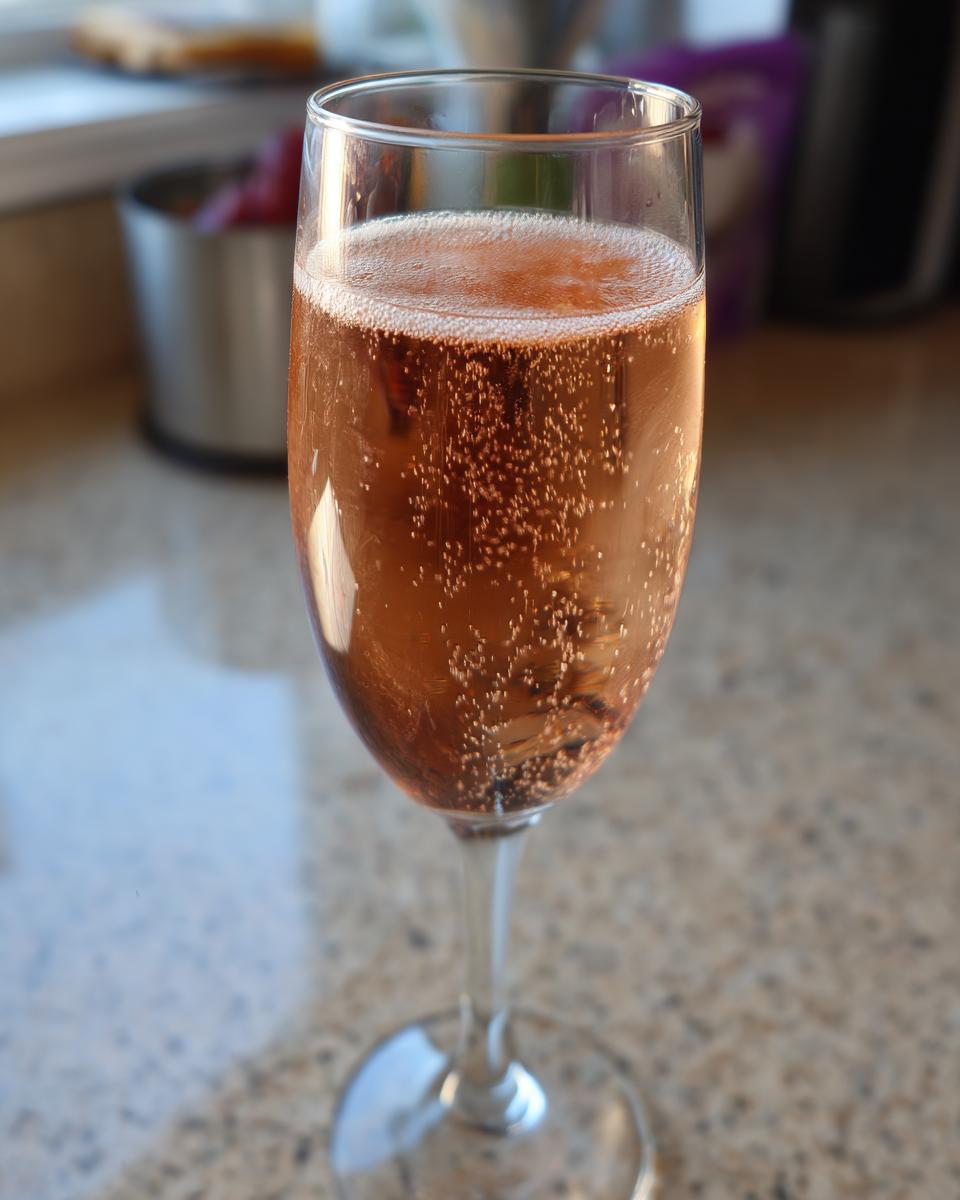
Now, let’s talk glasses. While those tall, skinny flutes are iconic and beautiful, they can sometimes let the bubbles dissipate too quickly. A tulip-shaped glass or even a white wine glass can be better for really appreciating the complex aromas of rose champagne. The wider bowl allows the scents to open up, and the narrower rim helps concentrate them. For presentation, especially if you’re serving it for a special occasion or a romantic dinner, don’t be afraid to add a little flair! A fresh strawberry or a raspberry dropped in the glass adds a touch of elegance and a hint of extra flavor. It’s those little touches that turn a good drink into a memorable experience.
Occasions for the Best Rose Champagne
Honestly, I feel like the *Best Rose Champagne* is basically sunshine in a bottle, and you can pretty much serve it anytime you want to feel a little extra fancy! It’s perfect for those big celebrations, of course. Think ringing in the New Year, a big anniversary, or a milestone birthday – that rosy sparkle just adds to the festivity. I specifically remember one Valentine’s Day, I made a raspberry lemonade that looked amazing with rose bubbly, and it felt so special. It was actually called the Sparkling Raspberry Lemonade, and it was a huge hit!
But it’s also amazing for those quieter, more intimate moments. A romantic dinner for two? Rose champagne totally elevates it. Or maybe you just had a really great week at work and want to treat yourself – why not? It’s also a fantastic aperitif to serve when friends come over. It’s light, refreshing, and always makes guests feel welcomed and a little spoiled. It’s that perfect “just because” kind of drink, honestly!
Food Pairings for Rose Champagne
Oh, the joy of pairing! Rose champagne is such a versatile sipper, and finding the right food to go with it can be pure magic. Its fruity notes and delicate bubbles mean it’s not just for dessert; it can totally hold its own with all sorts of dishes. For those lighter appetizer moments, think delicate bites. Creamy cheeses like brie or camembert are divine, or you can go for something like smoked salmon on blinis – the slight saltiness and richness are *chef’s kiss* with rose. Honestly, whenever I’m making a bunch of little bites, I always think about how a glass of rose will cut through everything perfectly. It’s just like how I imagine this Strawberry Basil Lemonade would be amazing swirled into a bubbly drink!
Seafood is another big winner here. Oysters, shrimp cocktail, or even a lovely grilled fish like sea bass just sing when paired with rose champagne. The acidity and fruitiness of the wine cut through the richness of the seafood beautifully. And you absolutely can’t go wrong with fresh berries! A simple bowl of strawberries, raspberries, or even a mixed berry salad is a classic for a reason. The flavors just echo each other so perfectly. And for something a little sweeter? A light fruit tart or even a vanilla panna cotta can be surprisingly wonderful. It’s all about finding those complementary flavors that make each bite and sip that much more enjoyable!
Frequently Asked Questions about Rose Champagne
Let’s chat about some of those burning questions you might have about this gorgeous pink bubbly! People often wonder, “Is rose champagne sweeter than regular champagne?” Usually, no! Most rose champagne, especially if it says “Brut” on the label, is actually quite dry, just like its pale counterparts. The pink color doesn’t automatically mean it’s sweet. If you *do* want something sweeter, you’d look for “Demi-Sec” or “Doux,” but those are less common for rose. So, don’t let the color fool you – it’s often wonderfully crisp!
Another thing people get mixed up is “rosé” versus “rose” champagne. Technically, if it’s from the Champagne region of France and is pink, it’s “rose champagne.” If it’s a pink sparkling wine from somewhere else, it might just be called “rosé sparkling wine” or something similar. It’s all about the origin! And what about leftovers? If you happen to have any remaining rose champagne (lucky you!), a good champagne stopper can help keep those bubbles lively for about one to two days. But honestly, it’s best enjoyed fresh!
Nutritional Information (Estimated)
Now, I’m no nutritionist, and honestly, when I’m sipping on a lovely glass of rose champagne, I’m not really thinking about the numbers! But if you’re curious, a typical serving, say around 5 ounces, usually clocks in at about 125 calories. There’s a bit of sugar in there, maybe around 1.5 grams, giving it that lovely subtle sweetness without being overpowering. It’s pretty much fat-free and has very little sodium. Keep in mind, though, these are just general estimates! The exact amounts can totally change depending on the brand, how dry or sweet it is, and even the specific grapes they used. So, enjoy your bubbly, but maybe don’t rely on this for your strict health tracking, okay?
Print
Best Rose Champagne
- Total Time: 5 min
- Yield: 6 servings 1x
- Diet: Vegetarian
Description
A guide to selecting the best rose champagne for any occasion.
Ingredients
- 1 bottle of rose champagne
Instructions
- Chill the rose champagne thoroughly.
- Open the bottle carefully.
- Pour into champagne flutes.
- Serve immediately.
Notes
- Serve rose champagne with light appetizers like strawberries or smoked salmon.
- The ideal serving temperature is between 45-50°F (7-10°C).
- Prep Time: 5 min
- Cook Time: 0 min
- Category: Beverage
- Method: Serving
- Cuisine: French
Nutrition
- Serving Size: 5 oz
- Calories: 125
- Sugar: 1.5
- Sodium: 2
- Fat: 0
- Saturated Fat: 0
- Unsaturated Fat: 0
- Trans Fat: 0
- Carbohydrates: 4
- Fiber: 0
- Protein: 0
- Cholesterol: 0
Keywords: rose champagne, best rose champagne, sparkling wine, champagne, pink champagne, wine selection